Valencia, Spain: Complete Travel Guide
| Country | Spain |
| Region | Valencia |
| Type | City |
| Best months | April, May, June, September, October |
| Crowd level | High |
| Budget | Mid-range |
| Flight (LON) | 2h 15m |
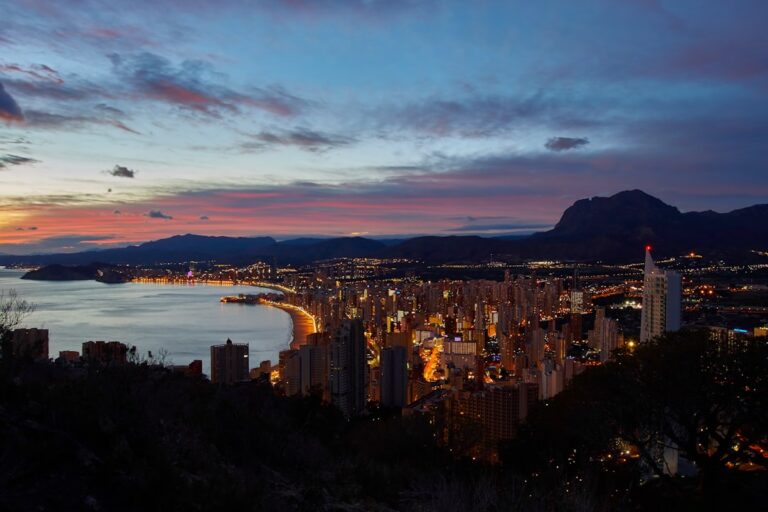
Valencia doesn’t get the same breathless coverage as Barcelona or Madrid, and that’s precisely why you should go. It’s a proper city that happens to have beaches, extraordinary architecture, world-class food, and enough local life left that you won’t feel like you’re walking through a theme park. Prices are lower, the pace is slower, and the people aren’t yet exhausted by tourists. That window won’t stay open forever.
Arriving in Valencia, the first thing you notice is the scale. It’s big enough to be genuinely urban but compact enough to navigate without constantly reaching for your phone. The old town, Carmen, is where most visitors plant themselves, and it earns the attention — medieval streets, crumbling baroque facades, good bars that stay open aggressively late. But the real residential soul of the city sits in Ruzafa, a neighbourhood of wide avenues, independent coffee shops, and restaurants where the clientele is actually Valencian. Eat there whenever possible.
The City of Arts and Sciences is legitimately spectacular and not overrated, which is rare. Calatrava’s buildings look like something from a civilisation that developed separately from ours. Go in the early morning before the tour groups arrive, walk the full length, and don’t bother paying to go inside everything — the exterior experience is most of the point. The Turia park, a dried riverbed converted into twelve kilometres of gardens and cycle paths threading through the city, is what happens when urban planning goes exactly right. Rent a bike and use it daily.
On paella: eat it at lunch, never dinner, and never in the old town. Head to the beach suburb of La Malvarrosa or El Palmar, a village in the rice paddies twenty minutes south, where the dish was actually invented. Authentic Valencian paella contains rabbit, chicken, and green beans. If it has seafood, it’s a different dish and not what you ordered.
The honest caveat is that summer gets genuinely hot and the beach areas become crowded and expensive. April through June and September to October give you warmth without the crush. Las Fallas in March is extraordinary — enormous sculptural monuments burned in the streets, fireworks at incomprehensible volumes, citywide chaos — but book accommodation six months out or accept you’re sleeping in Alicante.
Valencia suits independent travellers, couples who eat seriously, and anyone who suspects they’ve been sleeping on Spain’s third city. They have been.
Weather in Valencia
| Month | Avg High | Rainfall |
|---|---|---|
| Jan | 7.9°C | 60mm |
| Feb | 10.6°C | 50mm |
| Mar | 14.5°C | 45mm |
| Apr | 18.5°C | 30mm |
| May | 22.5°C | 20mm |
| Jun | 26.4°C | 10mm |
| Jul | 29.1°C | 5mm |
| Aug | 27.7°C | 5mm |
| Sep | 23.8°C | 20mm |
| Oct | 18.5°C | 45mm |
| Nov | 13.2°C | 60mm |
| Dec | 9.2°C | 65mm |
Plan Your Trip
- Hotels: Search accommodation in Valencia on Booking.com
- Tours & Activities: Browse Valencia experiences on GetYourGuide
- Day Trips: Find Valencia tours on Viator