Cavtat, Croatia: Complete Travel Guide
| Country | Croatia |
| Region | Dubrovnik-Neretva |
| Type | Town |
| Best months | May, June, September, October |
| Crowd level | Moderate |
| Budget | Mid-range |
| Flight (LON) | 2h 35m |
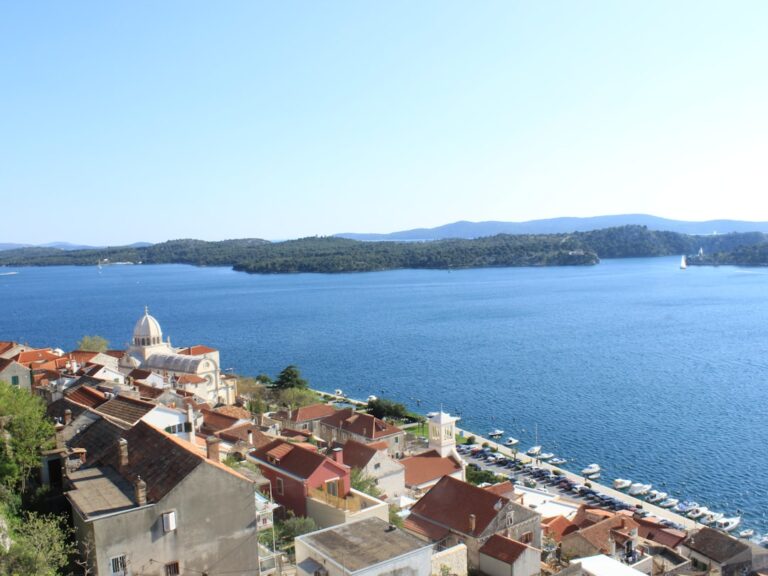
Cavtat earns its reputation as Dubrovnik’s quieter neighbour, but that framing undersells it. This is a genuinely lovely small town on its own terms — a double-harboured peninsula about twenty kilometres south of Dubrovnik, draped in pine trees, with a waterfront promenade that invites the kind of slow evening walking that reminds you why you travel in the first place. The comparison to Dubrovnik is useful only for logistics. Once you’re here, you stop thinking about it.
What it’s actually like: unhurried. The old town is compact and walkable in under ten minutes, which means you’ve absorbed most of the architecture quickly and can spend the rest of your time doing what the place genuinely rewards — sitting at a konoba, swimming off the rocks, or wandering the pine-shaded path that loops the entire peninsula. The bay is sheltered enough for decent snorkelling, visibility is good in calm weather, and you don’t need gear beyond a mask. The water is clean and the entry points are easy. This is not dramatic coastline. It’s civilised, comfortable, and quietly beautiful.
The Vlaho Bukovac Gallery, housed in the birthplace of Croatia’s most celebrated 19th-century painter, is worth an hour of genuine attention rather than a polite walkthrough. The work is better than tourists typically expect. But the thing most visitors miss entirely is the Račić Mausoleum on the hill above town. Ivan Meštrović built it in 1922 for a wealthy Cavtat shipping family, and it is one of the finest examples of his work — bronze angels, carved stone, a melancholy grandeur tucked into cypress trees above the sea. You need to arrange access through the local tourist office or track down the caretaker. Do this. It takes thirty minutes and stays with you.
The best areas are simple: the main promenade for evenings, the peninsula path for mornings, the quieter western harbour for swimming away from the boat traffic. Stay in or near the old town if you can. The outskirts are dull.
Cavtat suits people who want beauty without performance — couples, solo travellers, anyone who’s done the Dubrovnik walls twice and wants somewhere to actually breathe. Come in May, June, September, or October. July and August bring crowds that, while nowhere near Dubrovnik’s scale, change the atmosphere enough to matter. The town is better when it’s calm.
Plan Your Trip
- Hotels: Search accommodation in Cavtat on Booking.com
- Tours & Activities: Browse Cavtat experiences on GetYourGuide
- Day Trips: Find Cavtat tours on Viator