Tunis, Tunisia: Complete Travel Guide
| Country | Tunisia |
| Region | Tunis Governorate |
| Type | City |
| Best months | March, April, October, November |
| Crowd level | Moderate |
| Budget | Budget |
| Flight (LON) | 2h 45m |
Tunis earns its place on any serious traveller’s itinerary not through spectacle but through texture. This is a city where a Roman mosaic the size of a tennis court sits in a converted palace, where you can get genuinely lost in a medieval medina that hasn’t been entirely sanitised for tourists, and where a forty-minute train ride connects the capital to ruins that once rivalled Rome itself. It rewards curiosity and punishes passivity.
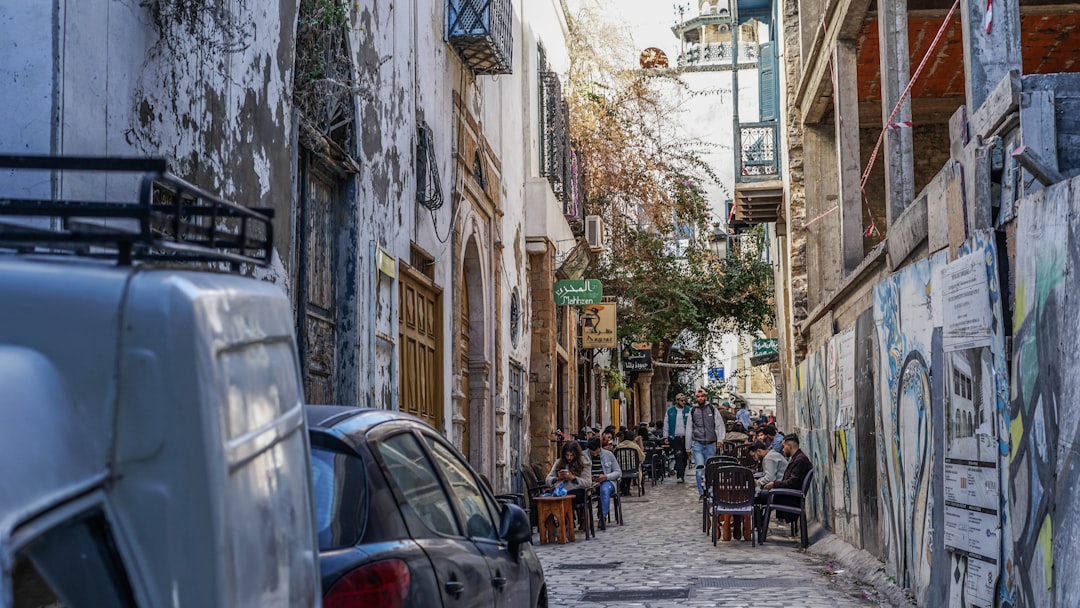
Honestly, Tunis is scruffier than the Instagram version suggests. The city centre mixes crumbling French colonial elegance with noise, traffic, and the low-level hustle that comes with any North African capital. Streets smell of jasmine and diesel in roughly equal measure. Not everything works smoothly, touts exist, and the tourist infrastructure is thinner than Morocco’s. That’s not a warning, it’s actually the appeal. You get a functioning Arab-African city going about its business, and you happen to be in it.
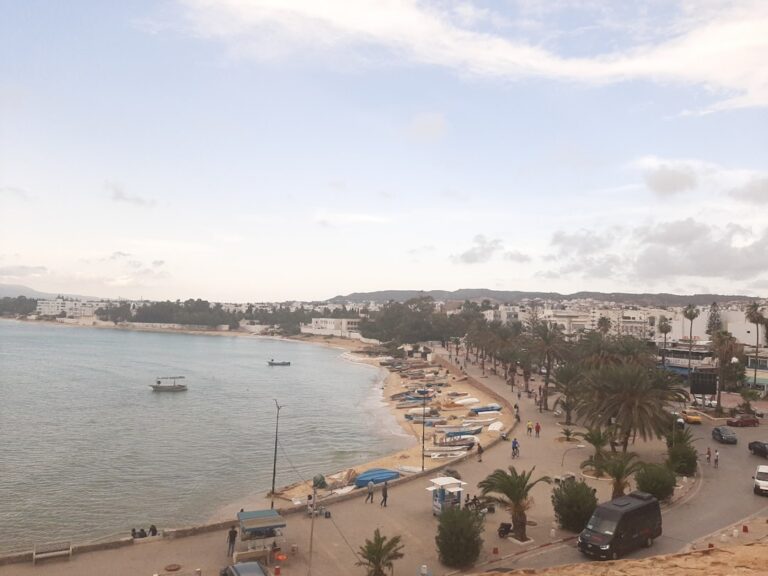
Stay in or near the medina if you want the real experience. The UNESCO-listed old city is genuinely lived-in rather than performing itself, though the souks closest to the Zitouna Mosque do lean touristy. Push deeper and you’ll find neighbourhood hammams, bread shops, and workshops producing copper goods not destined for gift shops. Sidi Bou Said, the blue-and-white hilltop village above the bay, is undeniably lovely and yes, somewhat precious, but spend the night rather than the afternoon and it transforms once the day-trippers leave. Carthage, a short train stop away, requires some imagination since the ruins are scattered and modest in scale, but standing above the harbour where Hannibal’s fleet once launched carries genuine weight.
The Bardo National Museum is the thing most visitors underestimate. People assume Roman mosaics will be dull. They are wrong. The collection is extraordinary in scale and quality, and the building itself, a former palace, makes the whole experience genuinely theatrical. Give it a full half-day minimum.
Come in October or November when the heat has released its grip but the light remains extraordinary. March and April work equally well. Avoid August unless you have strong feelings about crowds and forty-degree heat.
Tunis suits independent travellers comfortable with ambiguity, anyone interested in classical history, food-focused visitors who know that Tunisian cuisine is criminally underrated, and people who find Morocco slightly too well-trodden. It will not hold your hand. It doesn’t need to.
Plan Your Trip
- Hotels: Search accommodation in Tunis on Booking.com
- Tours & Activities: Browse Tunis experiences on GetYourGuide
- Day Trips: Find Tunis tours on Viator