Rethymno, Greece: Complete Travel Guide
| Country | Greece |
| Region | Crete |
| Type | City |
| Best months | May, June, September, October |
| Crowd level | Moderate |
| Budget | Mid-range |
| Flight (LON) | 3h 40m |
Rethymno sits in the middle of Crete and gets somewhat overlooked between the more famous Heraklion and Chania, which is precisely why it deserves your attention. The Venetians spent centuries building this city, then the Ottomans spent a few more layering minarets and hammams over the top, and the result is a genuinely beautiful mess of history that hasn’t been entirely smoothed over for tourist consumption. Come in May, June, September or October. July and August work, but the heat is punishing and the beach promenade becomes a conveyor belt of sunburned Europeans in flip-flops.
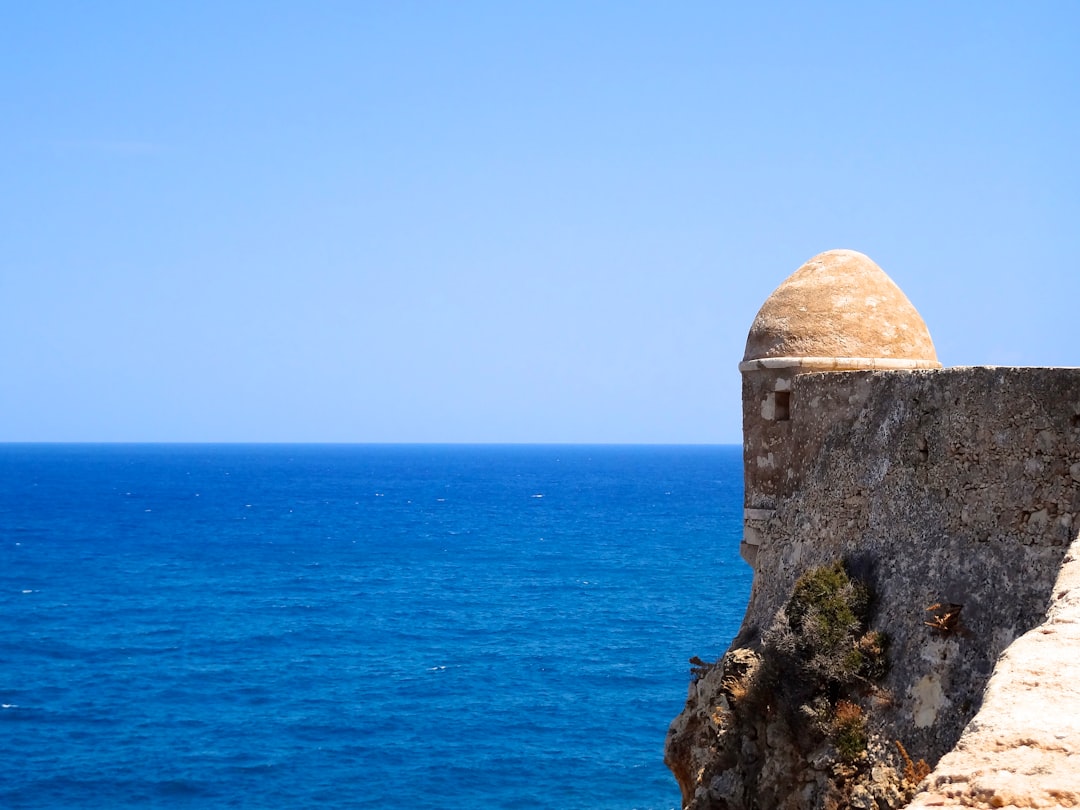
The Old Town is the main draw and it earns its reputation as the best preserved in Crete. Walking it honestly means getting lost in narrow streets where Venetian archways frame Ottoman fountains and washing lines stretch between buildings that have survived four different empires deciding this patch of the Mediterranean mattered. The Fortezza dominates everything from the headland, a substantial Venetian fortress with genuinely sweeping views over the sea and the rooftops below. It’s larger than it looks from the outside and worth the small entrance fee, though go early before the tour groups arrive. The long sandy beach runs directly along the promenade and is unusually convenient for an Old Town beach, close enough to walk back for lunch but long enough to find space.
What Rethymno is actually like day to day is a working Greek city that tolerates tourism rather than being consumed by it. There are restaurants aimed squarely at visitors, particularly around the Venetian harbour, where the food is mediocre and priced accordingly. Walk two streets back and the situation improves dramatically. The covered market area near Plateia Petychaki is where locals actually shop and eat, and breakfast at one of the small kafeneions there costs almost nothing and tastes significantly better than anything served with a harbour view.
What most tourists miss is the Archaeological Museum, which contains genuinely important Minoan material and is rarely crowded even in peak season. Thirty minutes inside gives you more context for Crete’s history than a day of wandering without it.
Rethymno suits independent travellers who want architecture, atmosphere and a real beach without sacrificing one for the other. Families manage it well. Party tourists will be disappointed. Anyone who prefers a town that functions like a town over a town that functions like a theme park will feel immediately at home.
Plan Your Trip
- Hotels: Search accommodation in Rethymno on Booking.com
- Tours & Activities: Browse Rethymno experiences on GetYourGuide
- Day Trips: Find Rethymno tours on Viator