Visiting Sarajevo in April
Visiting Sarajevo in April
# Sarajevo in April: Worth It?
April in Sarajevo is genuinely unpredictable, and anyone telling you otherwise is guessing. The city sits in a bowl surrounded by mountains, which means weather rolls in fast and does whatever it wants. You can get warm, sunny afternoons where you’re sitting outside a kafana with a coffee feeling smug about your timing, then wake up the next morning to grey skies and rain that doesn’t quite commit to stopping. Snow isn’t unheard of early in the month. Pack accordingly, and by that I mean layers you actually mean, not the lightweight jacket you convince yourself will be fine.
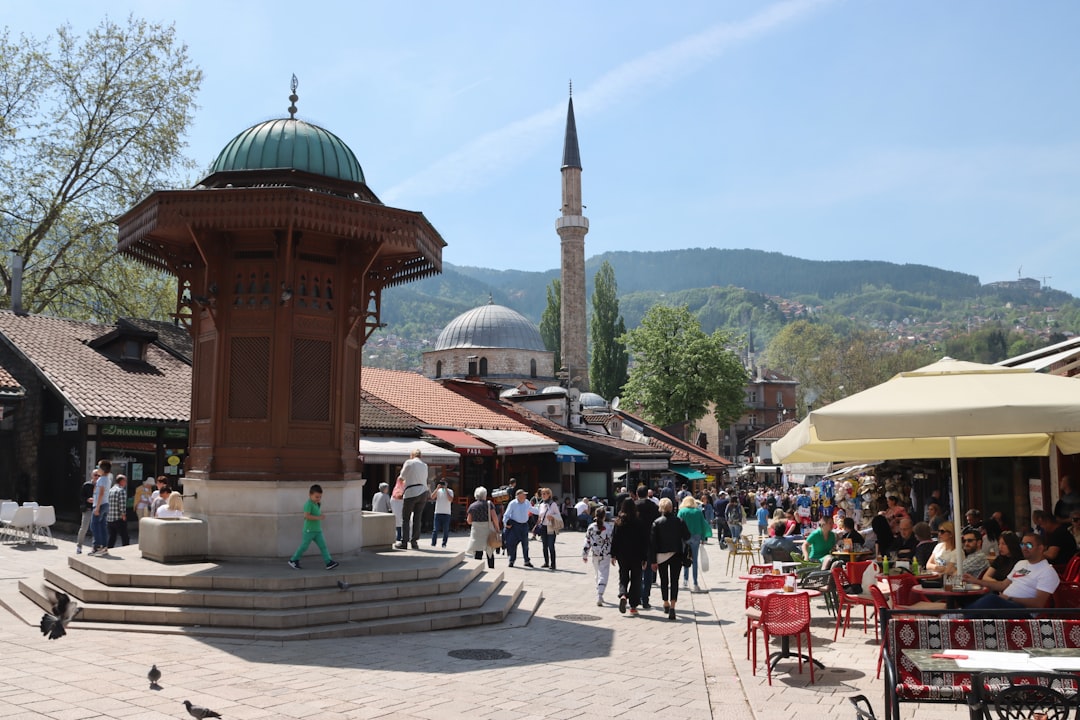
What April does give you is the city before it gets exhausted by summer. Sarajevo in July and August is increasingly on the tourist circuit, and the old town, Baščaršija, fills up noticeably. In April you’re wandering those cobbled streets without feeling managed. The cevapi shops are open, the copper workshops are doing their thing, and you’re not competing with tour groups for space at Sebilj fountain.
Most things you’d actually want to see are operating. The Tunnel of Hope, the Yellow Fortress, the National Museum, the War Childhood Museum — all accessible. Some restaurants might keep slightly shorter hours early in the month, but nothing that’ll seriously inconvenience you.
The hills around the city are muddy from snowmelt if hiking is on your agenda, so temper expectations there. But the city itself is walkable and genuinely absorbing. The way Ottoman, Austro-Hungarian, socialist, and modern architecture just collide across a short walk remains one of Europe’s more honest urban experiences.
Who should come in April? People who care more about the place than the weather. History people, independent travelers, anyone who finds meaning in a complicated city rather than a comfortable one. It’s not a beach holiday dressed up as culture. Sarajevo asks something of you.
**Practical tip:** Book accommodation in the old town or Ferhadija area. The city is small but hilly, and being central means everything makes sense on foot without needing to think about it.
Plan Your Trip
- Hotels: Search accommodation in Sarajevo on Booking.com
- Tours & Activities: Browse Sarajevo experiences on GetYourGuide
- Day Trips: Find Sarajevo tours on Viator