Caesarea, Israel: Complete Travel Guide
| Country | Israel |
| Region | Haifa District |
| Type | Town |
| Best months | April, May, October, November |
| Crowd level | Moderate |
| Budget | Mid-range |
| Flight (LON) | 4h 35m |
Caesarea earns its reputation. This isn’t a reconstructed theme park version of history — it’s a genuine layered site where Herod’s engineering ambition, Roman occupation, and Crusader desperation all collide in one compact stretch of Mediterranean coastline, and the sea makes everything better. Standing in a 2,000-year-old theatre with waves visible beyond the stage, you understand immediately why people keep coming back.
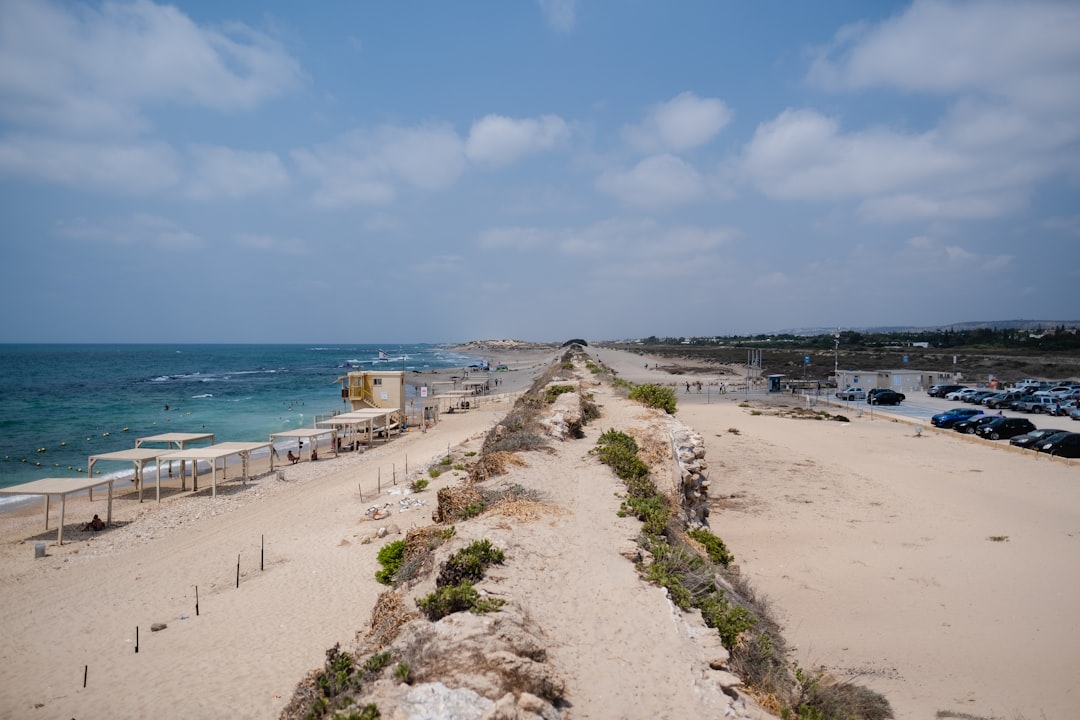
What it’s actually like is more manageable than you’d expect. The national park bundles the Roman theatre, the Herodian harbour ruins, the Crusader city walls, and the hippodrome into a single ticket, and the distances between them are walkable. It’s not overwhelming. The site sits alongside a functioning tourist village with decent restaurants and a small marina, which sounds like a compromise but actually works — you can move between archaeology and a cold beer without planning logistics. Crowds are moderate by Israeli tourism standards, meaning you’ll share the amphitheatre but rarely feel crushed. Come in April, May, October, or November and you get bearable temperatures and cleaner light for the harbour views. July and August are brutal and the concert season draws bigger numbers.
The harbour ruins are the part most visitors underinvest in. They walk the theatre, take the photos, and move on. But Herod built an entirely artificial deep-water harbour here around 20 BCE — an engineering feat that genuinely astonished the ancient world — and much of it now lies underwater. The Underwater Archaeological Park lets snorkellers and divers explore submerged columns and harbour infrastructure, and even from the shoreline the scale of what was attempted becomes legible if you give it time. This is what tourists miss: standing at the water’s edge long enough to actually think about what’s beneath it.
The Crusader fortifications are substantial and photogenic, with a deep moat that reads clearly even without a guide explaining it. The combination of periods layered on top of each other rewards people who enjoy asking how places changed hands, not just who built them first.
Caesarea suits independent travellers, history enthusiasts comfortable directing themselves, and couples looking for a half-day that earns its keep. It’s less suited to young children who need constant interpretation to stay engaged, and anyone expecting an immersive museum experience will find it sparse on explanatory infrastructure. Bring water, wear comfortable shoes, and stay long enough to watch the light change over the harbour. That’s when it actually gets you.
Plan Your Trip
- Hotels: Search accommodation in Caesarea on Booking.com
- Tours & Activities: Browse Caesarea experiences on GetYourGuide
- Day Trips: Find Caesarea tours on Viator