Lesbos, Greece: Complete Travel Guide
| Country | Greece |
| Region | North Aegean |
| Type | Island |
| Best months | May, June, September, October |
| Crowd level | Moderate |
| Budget | Budget-Friendly |
| Flight (LON) | 4h 10m |
Lesbos earns its place on the Aegean map without trying particularly hard, which is precisely why it’s worth visiting. This is Greece’s third-largest island, big enough to feel genuinely unexplored in places, and confident enough in its own identity that it hasn’t bent itself into a tourist-friendly shape. Come in May, June, September, or October and you’ll find warm light, manageable crowds, and an island still largely living its own life.
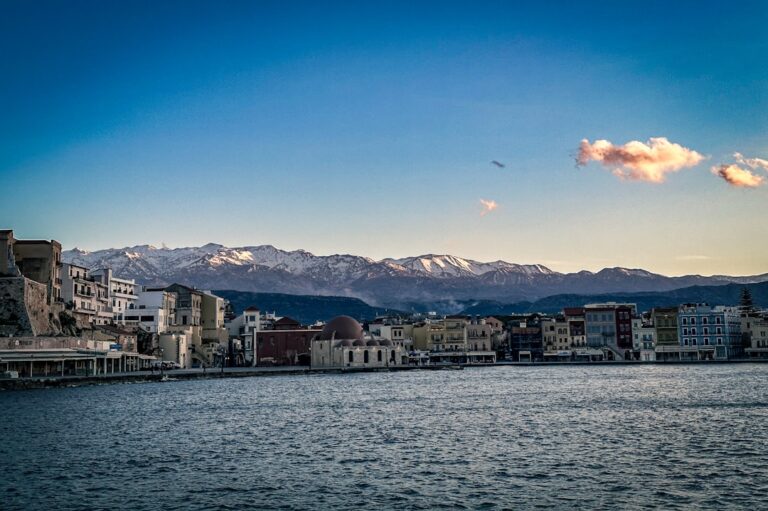
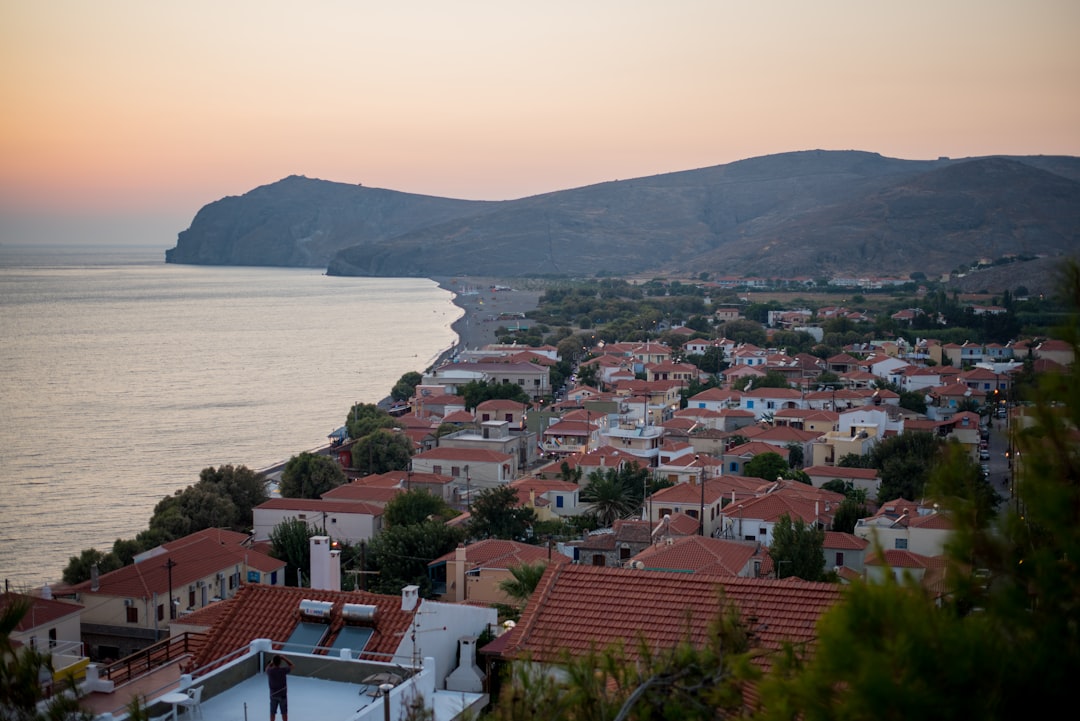
The honest version: Lesbos is agricultural and slightly rough around the edges. The main port town of Mytilene is a working city, not a postcard, and it takes a day to find your rhythm there. But that’s fine, because you shouldn’t linger. Head northwest and everything opens up. Molyvos is the island’s visual centrepiece, a cascade of stone houses climbing toward a Byzantine castle above a harbour so photogenic it almost feels suspicious. It gets busy but never overwhelmed, and evenings there, with the castle lit and the fishing boats settled, are genuinely lovely without requiring any effort on your part.
Drive into the island’s interior and you’ll understand why Lesbos produces some of Greece’s finest olive oil. The trees are ancient, enormous, and seemingly everywhere. The Petrified Forest in the southwest is properly strange and worth the detour — a UNESCO-protected landscape of fossilised tree trunks that look like something between geology and science fiction. Most visitors treat it as a quick tick, which is a mistake. Spend a proper morning there.
The thing tourists routinely miss is the thermal springs at Eftalou, just outside Molyvos. A crumbling Ottoman bathhouse sits right on the shoreline where hot mineral water pools beside the sea. It costs almost nothing, feels completely unreconstructed, and delivers the kind of accidental, slightly bizarre experience that travel should produce more often.
Lesbos suits independent travellers who drive, eat well, and aren’t chasing nightlife or beach-club infrastructure. It suits people who want Greek food that’s actually regional — the ouzo here, produced locally since the 19th century, is taken seriously by the people making it. It suits anyone willing to read a landscape slowly rather than consume it quickly. If you want a manicured resort experience, this island will quietly frustrate you. If you want somewhere with real texture, Lesbos will reward you more than places twice as famous.
Plan Your Trip
- Hotels: Search accommodation in Lesbos on Booking.com
- Tours & Activities: Browse Lesbos experiences on GetYourGuide
- Day Trips: Find Lesbos tours on Viator