Malaga, Spain: Complete Travel Guide
| Country | Spain |
| Region | Andalusia |
| Type | City |
| Best months | March, April, May, September, October, November |
| Crowd level | High |
| Budget | Mid-range |
| Flight (LON) | 2h 40m |
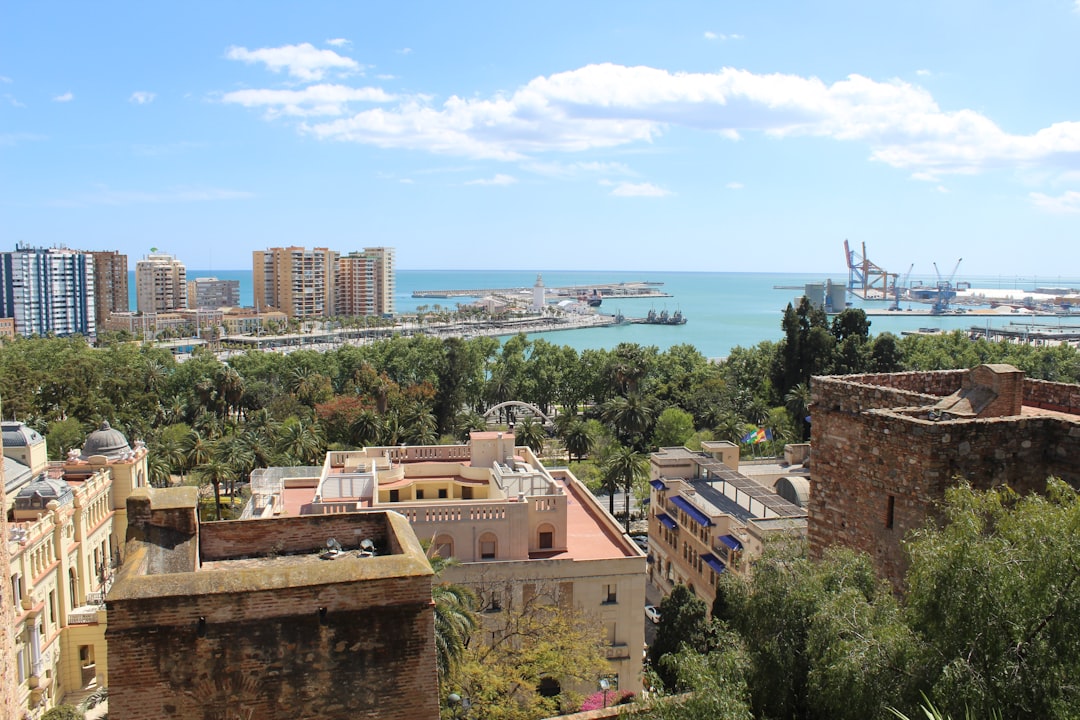
Málaga has quietly transformed itself from a place people flew through on their way to Torremolinos into somewhere worth staying for its own sake, and the locals know it. The Picasso Museum alone would justify a detour – not because it’s the world’s greatest art museum, but because standing in the neighbourhood where he was actually born, in a city that shaped his early imagination, gives the work a context you don’t get in Paris or New York. The Alcazaba rising above the Roman theatre is genuinely impressive without being exhausting, and the Atarazanas market on a weekday morning, smelling of fresh fish and overripe fruit, is the kind of place that reminds you why you travel.
What it’s actually like: busy, increasingly expensive, and sometimes painfully self-conscious about its own coolness. The old town has excellent tapas bars and a walking culture that makes evenings genuinely pleasant, but parts of it now feel curated for consumption. Go anyway. The bones of a real Andalusian city are still visible if you look past the craft beer bars. Malagueta beach is functional rather than beautiful – a broad grey-sand strip backed by the promenade that serves its purpose perfectly for an afternoon swim and a cold beer, without pretending to be the Maldives.
For areas, base yourself in the historic centre or Soho if you want walkability. El Palo, further east along the coast, is where actual Malagueños eat fish – espetos, sardines grilled on beachside fires, served at chiringuitos that don’t have English menus. This is the thing most tourists miss entirely. They photograph the Alcazaba and leave without ever eating the thing the city does best, cooked the way it’s always been cooked, twenty minutes from the centre on a local bus.
The best months are shoulder season: April and October offer warm evenings, manageable crowds, and hotel prices that don’t make you wince. August is a particular kind of punishment – hot, crowded, and expensive in ways that benefit nobody except the accommodation industry.
Málaga suits curious, independent travellers who want a city with genuine cultural weight and a working port atmosphere. It suits anyone willing to walk past the obvious choices. It does not suit people who need their holiday to be comfortable and predictable at every turn. Those people should book Marbella and leave Málaga for the rest of us.
Plan Your Trip
- Hotels: Search accommodation in Malaga on Booking.com
- Tours & Activities: Browse Malaga experiences on GetYourGuide
- Day Trips: Find Malaga tours on Viator