Mljet, Croatia: Complete Travel Guide
| Country | Croatia |
| Region | Dalmatia |
| Type | Island |
| Best months | June, July, September |
| Crowd level | Low |
| Budget | Mid-range |
| Flight (LON) | 2h 35m |
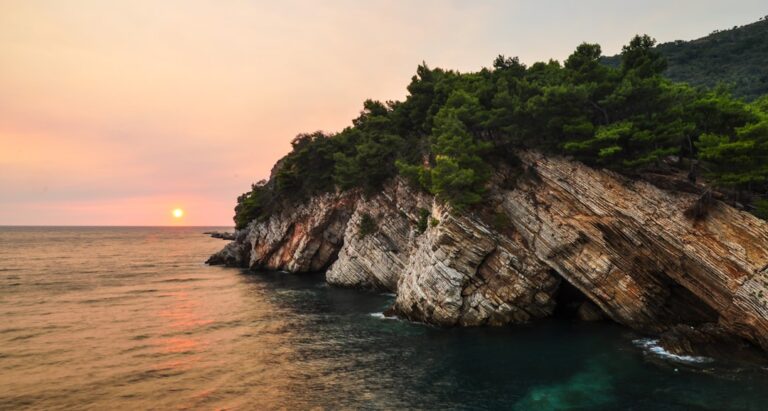
Mljet doesn’t try to impress you, which is exactly why it does. This long, forested island in southern Dalmatia is one of the least-visited places on the Adriatic coast, and locals seem quietly determined to keep it that way. There are no casinos, no beach clubs pumping Balkan pop, no queues for overpriced seafood. What there is: two extraordinarily beautiful saltwater lakes sitting inside a national park, a twelfth-century Benedictine monastery perched on a small island in the middle of one of them, and pine forest so dense it smells like a different century. If that sounds like your idea of a holiday rather than a consolation prize, Mljet is worth rearranging your entire itinerary for.
The national park occupies the western third of the island, and cars are banned inside it. That single rule changes the atmosphere completely. You arrive by ferry at Polače or Sobra, rent a bicycle or catch the park’s electric boat, and immediately feel the shoulders drop. The lakes, Malo and Veliko Jezero, are connected to the sea but calm enough for swimming, and the water is this particular shade of green-blue that photographs can’t quite capture honestly. Most visitors do a loop of Veliko Jezero, stop at the monastery island for coffee, and leave feeling vaguely spiritual without knowing why.
June and September are the sweet spots. July works but the heat becomes genuine rather than pleasant, and the park gets its closest thing to busy. September has lower light, cooler water, and the sense that the island exhales after summer. Avoid August unless you enjoy discovering that even quiet places have a tipping point.
The thing most tourists miss is the eastern half of the island entirely. Beyond the national park, Mljet has fishing villages, empty bays, and a road running along the ridge with views over both coastlines simultaneously. Rent a scooter and go east. Babino Polje is the island’s main village and looks like Croatia did thirty years ago. Saplunara beach at the far tip is one of the finest stretches of sand in the entire country and most days you’ll share it with almost nobody.
Mljet suits people who consider sitting still a legitimate activity, who cycle without needing to track their kilometers, and who understand that a good monastery visit requires no particular religious conviction, only patience and decent shoes.
Weather in Mljet
| Month | Avg High | Rainfall |
|---|---|---|
| Jan | 7.9°C | 161.9mm |
| Feb | 9.1°C | 165.6mm |
| Mar | 11.7°C | 136.8mm |
| Apr | 14.9°C | 109mm |
| May | 18.4°C | 109.2mm |
| Jun | 23.7°C | 58mm |
| Jul | 26.6°C | 31.6mm |
| Aug | 27.1°C | 29.1mm |
| Sep | 22.4°C | 119.3mm |
| Oct | 17.7°C | 140.8mm |
| Nov | 14°C | 228mm |
| Dec | 9.5°C | 138.1mm |
Plan Your Trip
- Hotels: Search accommodation in Mljet on Booking.com
- Tours & Activities: Browse Mljet experiences on GetYourGuide
- Day Trips: Find Mljet tours on Viator