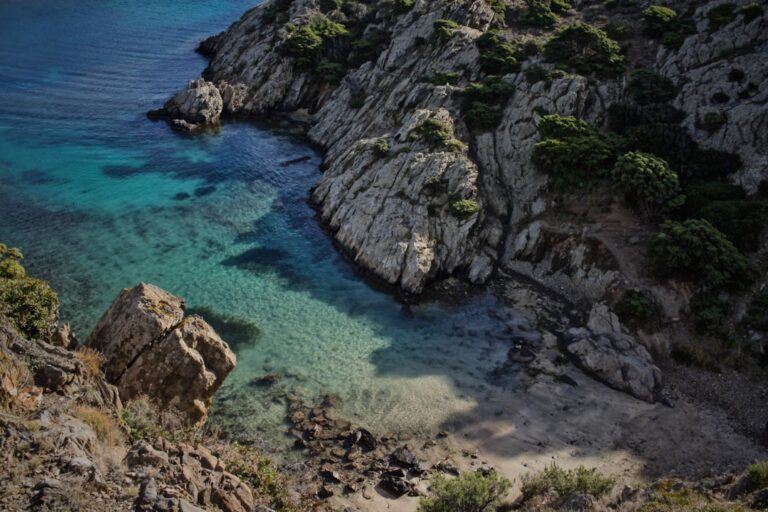
Visiting Gallipoli in October
Visiting Gallipoli in October
# Gallipoli in October: What It’s Actually Like
October sits in that slightly awkward shoulder season at Gallipoli where summer hasn’t fully let go but autumn is definitely nudging its way in. Temperatures tend to hover somewhere between 15 and 22 degrees Celsius, which sounds pleasant enough, but the catch is genuine unpredictability. You might get warm, clear days perfect for walking the ridgelines. You might get grey skies and a sharp wind coming off the Aegean that makes the exposed clifftop memorials feel considerably bleaker than any photograph prepares you for. Pack layers regardless of what the forecast says the morning you leave home.
Rainfall is possible but not guaranteed. October can bring some of the region’s first proper autumn showers, so waterproof shoes matter more than you’d think when you’re navigating muddy tracks between cemeteries on hillsides.
The honest upside is the crowds. Anzac Day in April brings genuinely enormous numbers, and summer fills the nearby town of Çanakkale with tourists doing the whole Troy-and-trenches circuit. By October that has thinned out considerably. You can stand at Lone Pine or Chunuk Bair without feeling rushed or surrounded, which matters enormously at a place that deserves quiet reflection more than almost anywhere else. The main memorial sites, cemeteries and the Çanakkale Martyrs’ Memorial are all accessible. The Gallipoli Historical Site is essentially always open. Some smaller local cafes and accommodation options around Eceabat may be winding down for the season, so check before you assume everything is running.
Is it worth visiting in October? For anyone who genuinely wants to engage with the history rather than tick a box, honestly yes. The emptier atmosphere suits the gravity of what you’re visiting. Families, history enthusiasts, and Australians or New Zealanders doing a more personal pilgrimage outside the April rush will find October quietly rewarding.
**One practical tip:** hire a local guide or join a small group tour rather than going entirely solo. The peninsula is larger than it looks on maps, the signage between sites can be confusing, and a good guide genuinely transforms what you understand about what happened here.
Plan Your Trip
- Hotels: Search accommodation in Gallipoli on Booking.com
- Tours & Activities: Browse Gallipoli experiences on GetYourGuide
- Day Trips: Find Gallipoli tours on Viator