Tetouan, Morocco: Complete Travel Guide
| Country | Morocco |
| Region | Tanger-Tetouan-Al Hoceima |
| Type | City |
| Best months | April, May, September, October |
| Crowd level | Low |
| Budget | Budget |
| Flight (LON) | 2h 50m |
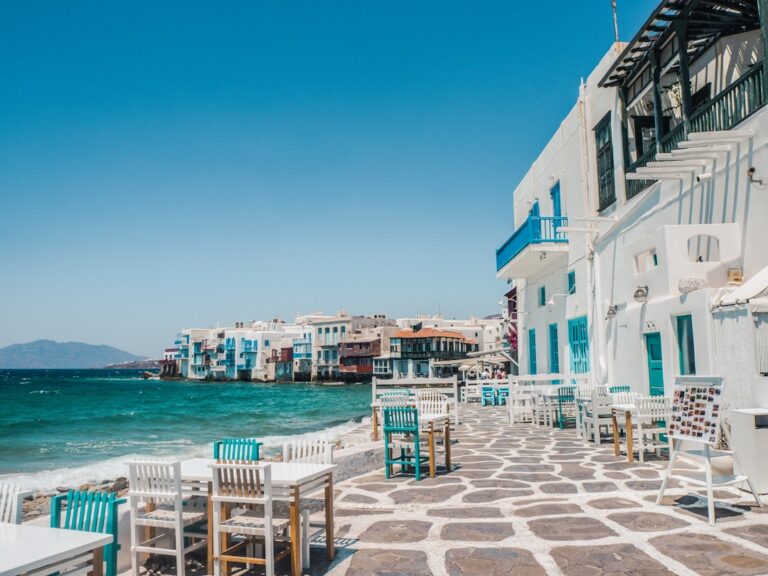
Tetouan doesn’t try to impress you, which is exactly why it does. Tucked between the Rif Mountains and the Mediterranean coast, this northern Moroccan city gets skipped by travellers rushing between Tangier and Chefchaouen, and that oversight works entirely in your favour. The medina here is genuinely UNESCO-listed for its Andalusian character, meaning the architecture carries the fingerprints of Moorish refugees expelled from Spain in the 15th century, not a theme park recreation of it. White facades, intricate stucco work, and a street layout that genuinely disorients you in the best possible way.
What’s it actually like on the ground? Quieter than Fes, less performatively charming than Chefchaouen, and considerably more real than either. Locals go about their business without pivoting to tourist mode when you walk past. The medina functions as a working city rather than a museum piece, and you’ll navigate through fabric merchants, butchers, and schoolchildren long before you stumble across anything selling souvenirs. There’s a Spanish colonial new town adjacent to the medina that most visitors ignore entirely, which is a mistake. The Plaza Moulay el Mehdi and the surrounding boulevards have a peculiar melancholy elegance, the legacy of Spain’s protectorate period sitting architecturally alongside Islamic Morocco without much fuss.
The Traditional Crafts School near Bab Okla is the single thing most tourists miss. You can watch students learning woodwork, leather tooling, and zellige tile-cutting in a centuries-old context, and the work being produced is far more interesting than anything you’ll find in the souks. Visit in the morning when classes are active.
Martil beach, seven kilometres away by petit taxi, is a genuinely pleasant Moroccan seaside town rather than a resort, better visited on a weekday. The Rif Mountain trails starting outside the city suit anyone wanting a half-day walk with serious views and almost no other hikers.
April, May, September and October give you warm temperatures without the coastal humidity that makes July and August feel like wearing a wet towel. Crowds at any time of year are minimal by Moroccan standards.
Tetouan suits independent travellers who’ve done the Moroccan circuit before and want somewhere that asks something of them. It’s not immediately seductive. It takes a day to find your feet and another to realise you’d like more time. That’s usually the sign of somewhere worth visiting.
Plan Your Trip
- Hotels: Search accommodation in Tetouan on Booking.com
- Tours & Activities: Browse Tetouan experiences on GetYourGuide
- Day Trips: Find Tetouan tours on Viator