Lanzarote, Spain: Complete Travel Guide
| Country | Spain |
| Region | Canary Islands |
| Type | Island |
| Best months | November, December, January, February, March |
| Crowd level | High |
| Budget | Mid-range |
| Flight (LON) | 4h 10m |
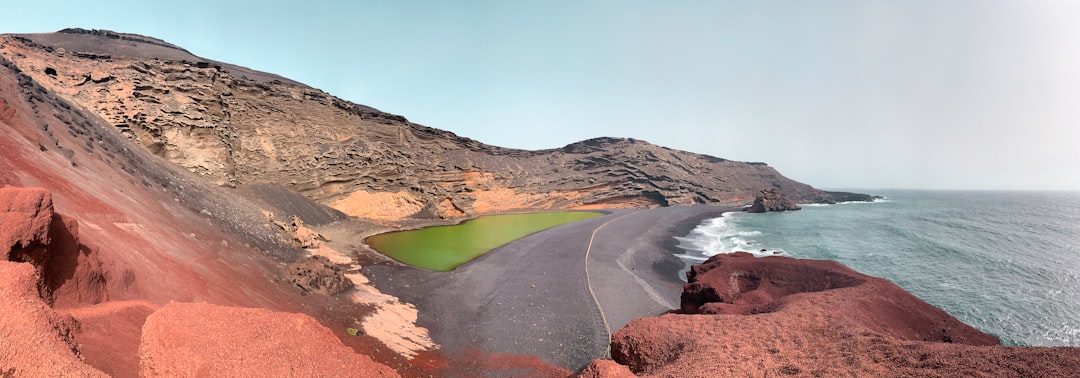
Lanzarote earns its reputation as the most distinctive of the Canary Islands, and not just because of the dramatic lunar landscape that greets you on the drive from the airport. This is a place genuinely shaped by a single artistic vision — César Manrique’s insistence that architecture should bow to nature rather than dominate it — and that philosophy is visible everywhere, from the whitewashed villages trimmed in green to the extraordinary underground concert hall he carved into a lava tube. Come between November and March when northern Europe is grey and miserable, temperatures sit comfortably in the low twenties, and the island feels like the most sensible place on earth.
Honest assessment: this is not a hidden gem. High season here means full resorts, queues at Timanfaya, and Papagayo beach looking considerably less pristine by midday. The southern resorts of Playa Blanca and Puerto del Carmen are functional rather than charming — purpose-built for package tourism, with all the Irish pubs and sunburned British families that implies. Go in knowing that, use them as a comfortable base, and stop expecting something they were never trying to be. The island rewards anyone who rents a car and actually explores.
Timanfaya National Park is legitimately extraordinary. The 1730s eruptions that buried villages under lava created a landscape so alien that NASA used it for research. The obligatory coach tour is worth tolerating. More interesting still is Jameos del Agua, a lava tube that runs under the ocean and contains a species of blind albino crab found nowhere else on earth. Manrique turned the surrounding cave complex into something between architecture, garden, and sculpture — genuinely one of the most remarkable spaces in Spain. His own house, now a museum, is equally essential.
The one thing most tourists miss is the north. The wine region around La Geria, where vines grow in individual volcanic craters, is extraordinary and almost agricultural in its strangeness. The village of Haría sits in a palm-filled valley that feels nothing like the rest of the island.
Lanzarote suits independent travellers who want reliable winter sun without flying to Southeast Asia, couples who mix beach days with genuine cultural interest, and anyone who appreciates landscape that feels actively geological. It doesn’t suit people seeking authentic local atmosphere in their resort, or anyone who needs green hills and gentle scenery. Bring a car. Leave the resort daily. That’s the formula.
Plan Your Trip
- Hotels: Search accommodation in Lanzarote on Booking.com
- Tours & Activities: Browse Lanzarote experiences on GetYourGuide
- Day Trips: Find Lanzarote tours on Viator