Visiting Madeira in January
Visiting Madeira in January
# Madeira in January: What It’s Actually Like
Here’s the thing about Madeira in January that nobody really tells you upfront: the weather is genuinely unpredictable in a way that can feel personal.
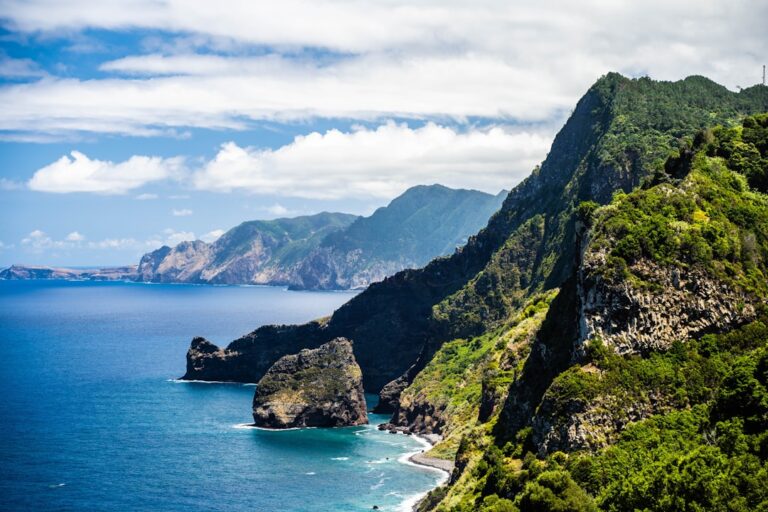
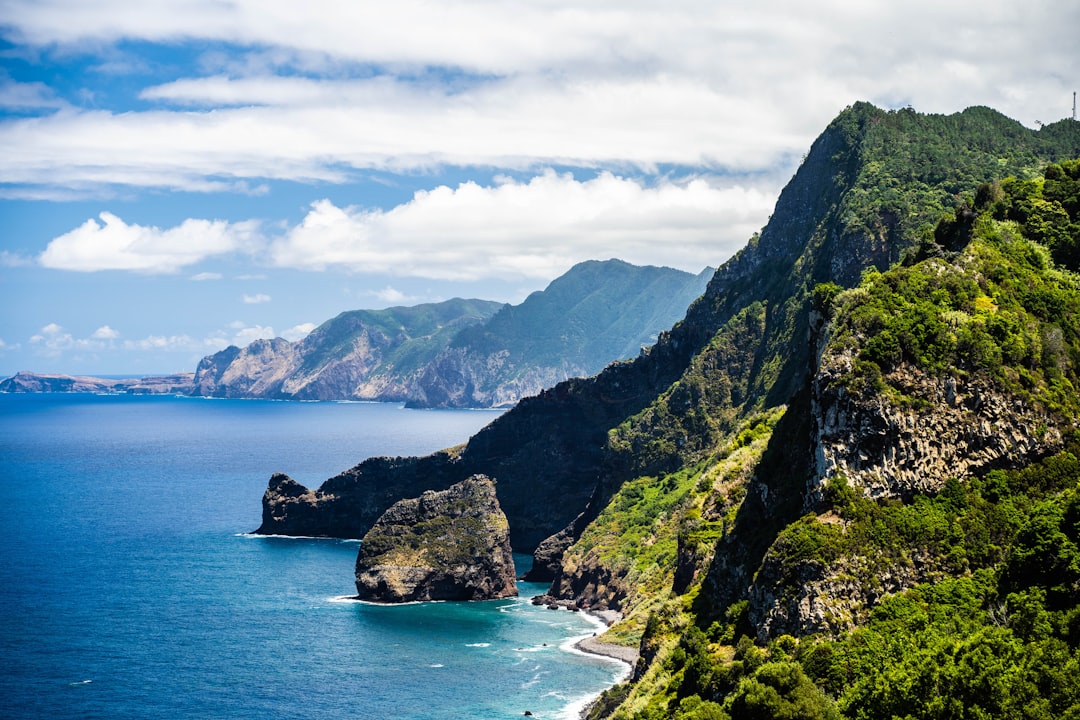
The island sits in the Atlantic with a personality of its own, and January is when that personality gets complicated. You can have four seasons in a single afternoon. The south coast around Funchal might be warm enough for a light jacket and lunch outside, while the north is getting absolutely hammered by rain and cloud. The mountains are doing something else entirely. Temperatures hover in the low-to-mid teens Celsius, which isn’t cold exactly, but it’s not the reliably warm escape some people are hoping for. Pack layers. Bring a waterproof. Accept this before you book.
What you gain in exchange is a dramatically quieter island. January sits firmly in low season, meaning the levada walks feel genuinely peaceful, restaurants have space, locals are relaxed and actually pleased to see you, and prices drop noticeably. The famous toboggan run, markets, and most restaurants in Funchal stay open year-round. Jardim Botânico is open and honestly beautiful even in grey weather. The whale watching boats still go out, conditions permitting.
Is it worth it? Honestly, yes, but only for a certain type of traveller. If you’re chasing a sunlounger holiday, go somewhere else or come back in May. But if you’re interested in hiking, food, exploring a genuinely interesting landscape without crowds, and you have the flexibility to adapt your plans around weather windows, January works well. The island doesn’t stop functioning. It just gets quieter and more itself.
Hikers especially should consider it seriously. The levadas after rain are lush and dramatic in a way they simply aren’t in summer.
**One practical tip:** Book a south-facing hotel or apartment in or near Funchal. The south coast consistently gets better weather than the north, and having that as your base means even when conditions are mixed, you’re positioned for the calmer side of whatever the Atlantic is planning.
Plan Your Trip
- Hotels: Search accommodation in Madeira on Booking.com
- Tours & Activities: Browse Madeira experiences on GetYourGuide
- Day Trips: Find Madeira tours on Viator