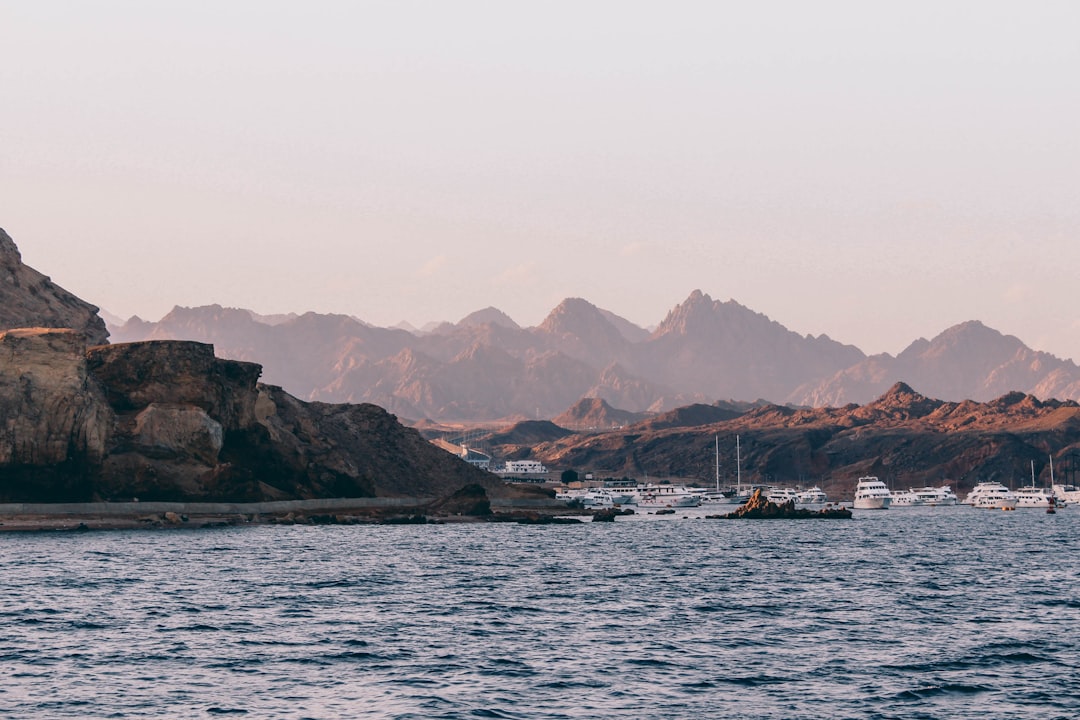
Visiting Sharm el-Sheikh in March
Visiting Sharm el-Sheikh in March
# Sharm el-Sheikh in March: What It’s Actually Like
March is genuinely one of the better months to visit Sharm, and I’ll tell you why without the usual brochure enthusiasm.
**The Weather**
Expect warm but not oppressive days, typically sitting around 25-28°C. It’s comfortable rather than punishing, which matters when you’re spending serious time outside or on a boat. Evenings drop noticeably though, so pack a layer you’d actually wear rather than one that stays stuffed in your case. Rain is essentially irrelevant here – Sharm gets almost none annually, and March is no exception. You’re safe to plan outdoor activities without a backup.
**The Crowds**
This is where March gets interesting. European schools are largely still in session, so you miss the worst of the summer masses. However, Easter sometimes falls in March, and when it does, resort prices spike and availability tightens noticeably. Check the calendar before you book. Outside of that Easter window, you’ll find the resort areas busy but manageable. Ras Mohammed National Park and the better snorkelling spots won’t have queues stretching back to the car park.
**What’s Open and Working**
Everything runs normally in March. This isn’t a shoulder season where you arrive to find half the restaurants shuttered. Dive operators, excursion boats, desert safaris – all fully operational and competing for your business, which occasionally means better deals than peak summer.
**Is It Worth It and For Whom**
Honestly, yes – particularly for divers and snorkellers. Water visibility is good and temperatures around 22-23°C mean a wetsuit is sensible but not mandatory for everyone. Families with younger children do well here because the heat isn’t exhausting them by 11am. Beach purists wanting guaranteed 35-degree days might prefer June, but they’ll pay for it in every sense.
**One Practical Tip**
Book your liveaboard or dive excursions before you arrive. March attracts serious diving visitors who plan ahead, and the best boats fill up. Leaving it until you land means taking whatever’s left, which is rarely the trip you imagined.
Plan Your Trip
- Hotels: Search accommodation in Sharm el-Sheikh on Booking.com
- Tours & Activities: Browse Sharm el-Sheikh experiences on GetYourGuide
- Day Trips: Find Sharm el-Sheikh tours on Viator