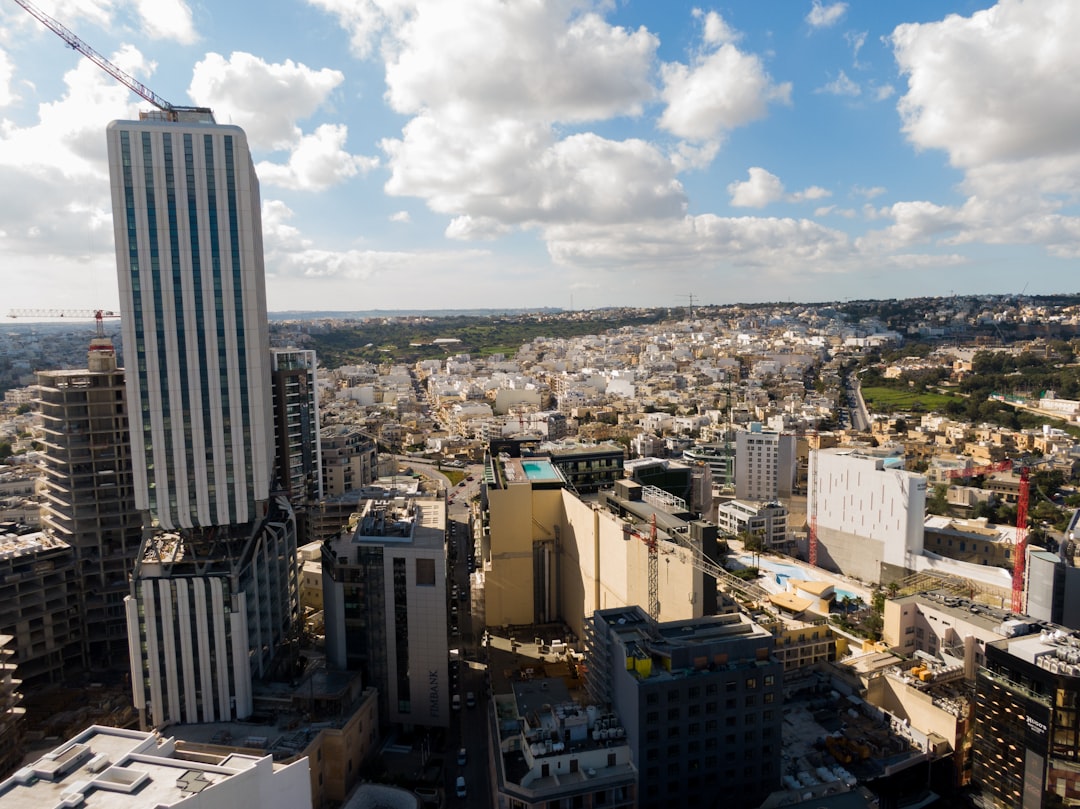
Visiting Sliema in November
Visiting Sliema in November
# Sliema in November: What It’s Actually Like
November in Sliema is genuinely unpredictable, and that’s probably the most honest thing anyone can tell you upfront. You might land to warm sunshine and eat lunch outdoors in a t-shirt, or you might spend three days watching grey skies dump rain onto the seafront promenade while cafe owners look sympathetically at you through steamed-up windows. Malta sits in the central Mediterranean, which sounds reassuring until November reminds you that “Mediterranean climate” still includes a proper autumn.
Temperatures typically hover somewhere in the mid-teens to low twenties Celsius, which is pleasant enough for walking but not remotely beach weather. The famous Sliema seafront remains genuinely enjoyable for a stroll, just don’t expect to be sunbathing on the rocks.
The crowds are dramatically reduced compared to summer, and honestly this is the strongest argument for going. Sliema in August is packed, loud, and exhausting. In November you can actually walk along the Strand without navigating around tour groups, restaurants have tables available, and nobody is aggressively trying to seat you anywhere. The place feels more like somewhere people actually live, which is quite appealing.
Most things remain open. Restaurants, bars, the ferry to Valletta, the bus network — all functioning normally. Sliema isn’t a seasonal resort in the way that some European beach towns are. Shops along Tower Road stay trading, cafes stay open, and Valletta is only fifteen minutes away by ferry and thoroughly worth a half-day regardless of weather.
Is it worth visiting? For culture-focused travellers, history enthusiasts, or anyone wanting a quieter city break without summer prices, genuinely yes. For people whose entire happiness depends on guaranteed sunshine and swimming, honestly consider waiting until May.
**One practical tip:** Pack a waterproof jacket and accept you might need it daily. Not because November is constantly wet, but because the few rainy days tend to arrive sideways off the sea and there’s very little shelter along the exposed seafront. Having decent rain gear removes the anxiety entirely and lets you enjoy the good days properly.
Plan Your Trip
- Hotels: Search accommodation in Sliema on Booking.com
- Tours & Activities: Browse Sliema experiences on GetYourGuide
- Day Trips: Find Sliema tours on Viator