Beirut, Lebanon: Complete Travel Guide
| Country | Lebanon |
| Region | Beirut Governorate |
| Type | City |
| Best months | April, May, June, September, October |
| Crowd level | Low |
| Budget | Budget-Friendly |
| Flight (LON) | 4h 35m |
Beirut demands context before you land. This is a city that has been blown apart and rebuilt multiple times, that survived a civil war, an economic collapse, a port explosion in 2020 that killed over 200 people, and still somehow contains people who know how to throw a party better than almost anywhere on earth. That tension — between trauma and vitality, between ruin and pleasure — is not incidental to the experience. It is the experience.
Go in May or October. The Mediterranean climate is doing exactly what you want, somewhere in the low to mid twenties, and you avoid the suffocating August humidity that descends when half of the Gulf relocates here. Crowds are genuinely thin by any major city standard, partly because international tourism never fully recovered from successive crises, which means you get a city largely operating for itself rather than for you.
The honest picture: infrastructure is struggling. Power cuts are real and frequent. The Lebanese pound has been in freefall and the economy remains in crisis, which means locals are under enormous financial strain even while some parts of the city appear to function normally. Hold that awareness. Tip properly. Spend generously in small, locally owned places.
For neighbourhoods, Gemmayzeh and Mar Mikhael remain the essential Beirut experience — narrow streets climbing the hill, buildings with those distinctive triple-arched French Mandate windows, balconies trailing bougainvillea, bars wedged between mechanics and grocery shops. Some venues from the famous pre-2019 nightlife era are still operating. Others are ghost fronts. The mix feels genuine rather than curated, which is increasingly rare.
The National Museum of Beirut is one of the most underrated museums in the region. Phoenician sarcophagi, Roman mosaics, Bronze Age artefacts — genuinely world-class collection with almost no queues. Pigeon Rocks, the sea arches off the Raouché corniche, photographs better at sunset than it deserves and is worth the twenty-minute walk along the waterfront.
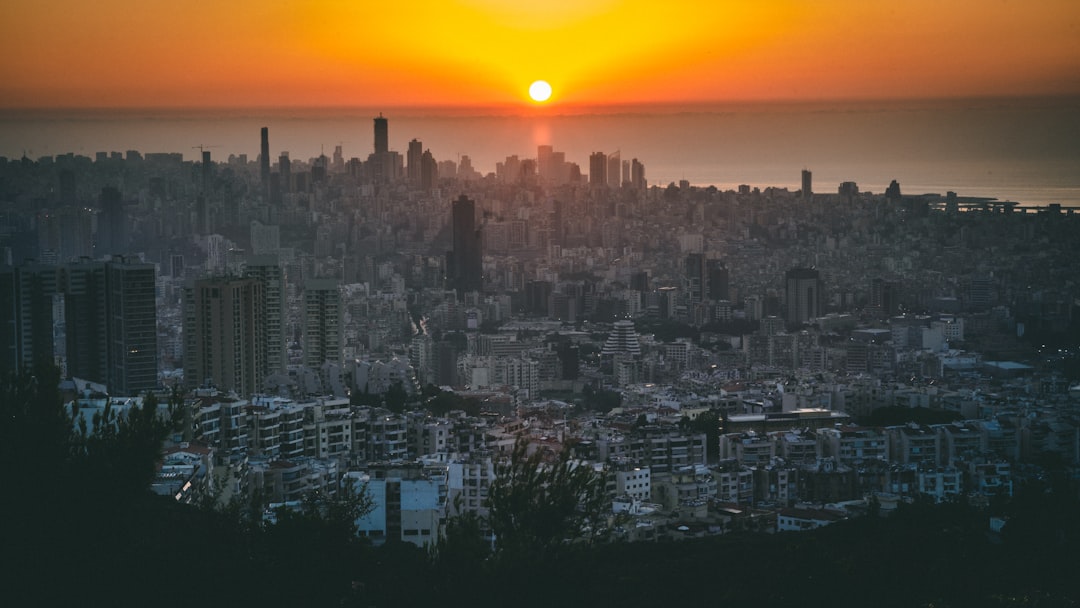
What tourists miss is the layered architecture read as living history rather than backdrop. Stand on any hill and you will see Ottoman stonework supporting a French-era apartment block with a modernist tower immediately behind it and, not infrequently, a shell-pocked facade beside it. Nothing has been tidily resolved.
This city suits curious, resilient travellers who read before they arrive and are comfortable with uncertainty. It does not suit people who need things to run smoothly. Go anyway.
Plan Your Trip
- Hotels: Search accommodation in Beirut on Booking.com
- Tours & Activities: Browse Beirut experiences on GetYourGuide
- Day Trips: Find Beirut tours on Viator