Cartagena, Spain: Complete Travel Guide
| Country | Spain |
| Region | Murcia |
| Type | City |
| Best months | April, May, September, October |
| Crowd level | Low |
| Budget | Budget-Friendly |
| Flight (LON) | 2h 40m |
Cartagena doesn’t bother trying to impress you. It just gets on with being genuinely interesting, and for travellers exhausted by performative tourism, that’s a relief. This is a city where you can park your car above a Roman amphitheatre — quite literally — and where two thousand years of Mediterranean history sit shoulder to shoulder with a working naval port and some of the most underrated Art Nouveau streetscapes in Spain. Come in April, May, September or October and you’ll have almost all of it to yourself.
Honest assessment first: Cartagena is not polished. Parts of the old centre feel slightly adrift, with shuttered shopfronts and the particular quiet of a city that knows it hasn’t quite cracked the tourism code. This is not a flaw. The Roman theatre, excavated beneath what was until recently a city car park and partly beneath existing buildings, is extraordinary precisely because it still feels like a discovery rather than a destination. The Punic walls and Hellenistic theatre add further layers with minimal crowds and no queues. You walk between civilisations in about fifteen minutes.
The submarine museum is the one that surprises people most. Isaac Peral’s 1888 vessel, one of the world’s first functional submarines, sits in a purpose-built gallery alongside Spanish Civil War naval history that most visitors from outside Spain know almost nothing about. Allow two hours and leave feeling genuinely informed rather than passively entertained.
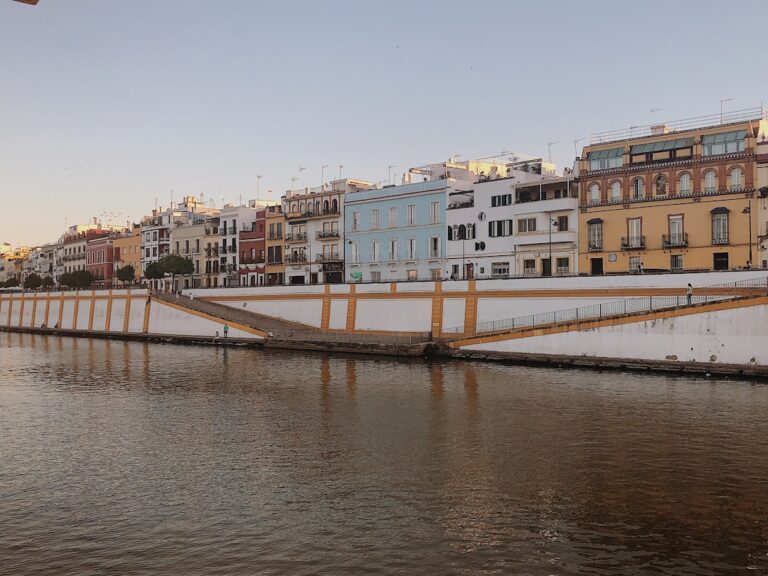
Base yourself in the compact old town, within walking distance of everything. The Art Nouveau architecture along Calle Mayor and the surrounding streets rewards slow walking — look at the ironwork, the tilework, the casino building that somehow remains magnificent despite its age. Accommodation is affordable and rarely full.
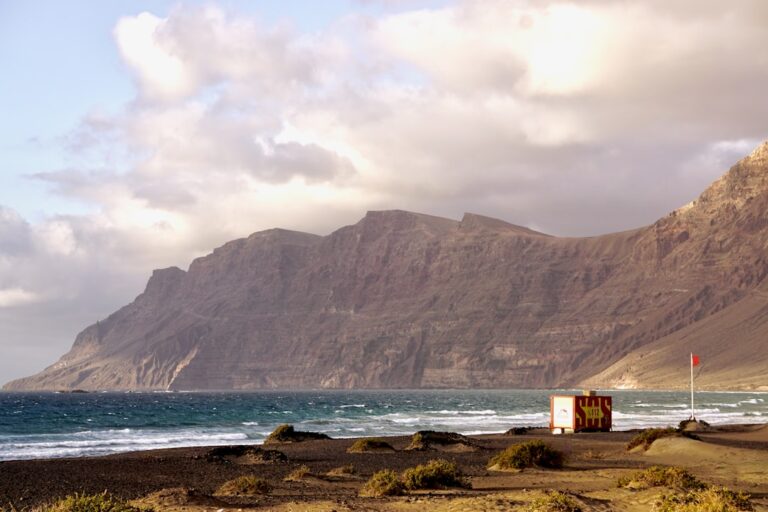
What tourists miss: Calblanque. Twenty minutes outside the city, this protected coastal park offers some of the most dramatic and empty beaches on the entire Mediterranean coast, backed by pink salt lakes and scrubby hills. No sunbeds, no beach bars, no infrastructure whatsoever. Bring water and food. Go early. Stay as long as you can.
Cartagena suits independently minded travellers who read history and find pleasure in working things out rather than being guided through them. It suits couples and solo travellers more than families with young children. It does not suit anyone whose ideal holiday involves being told where the fun is. For everyone else, it’s quietly magnificent.
Plan Your Trip
- Hotels: Search accommodation in Cartagena on Booking.com
- Tours & Activities: Browse Cartagena experiences on GetYourGuide
- Day Trips: Find Cartagena tours on Viator