Pompeii, Italy: Complete Travel Guide
| Country | Italy |
| Region | Campania |
| Type | Region |
| Best months | March, April, May, September, October |
| Crowd level | Very High |
| Budget | Budget-Friendly |
| Flight (LON) | 2h 45m |
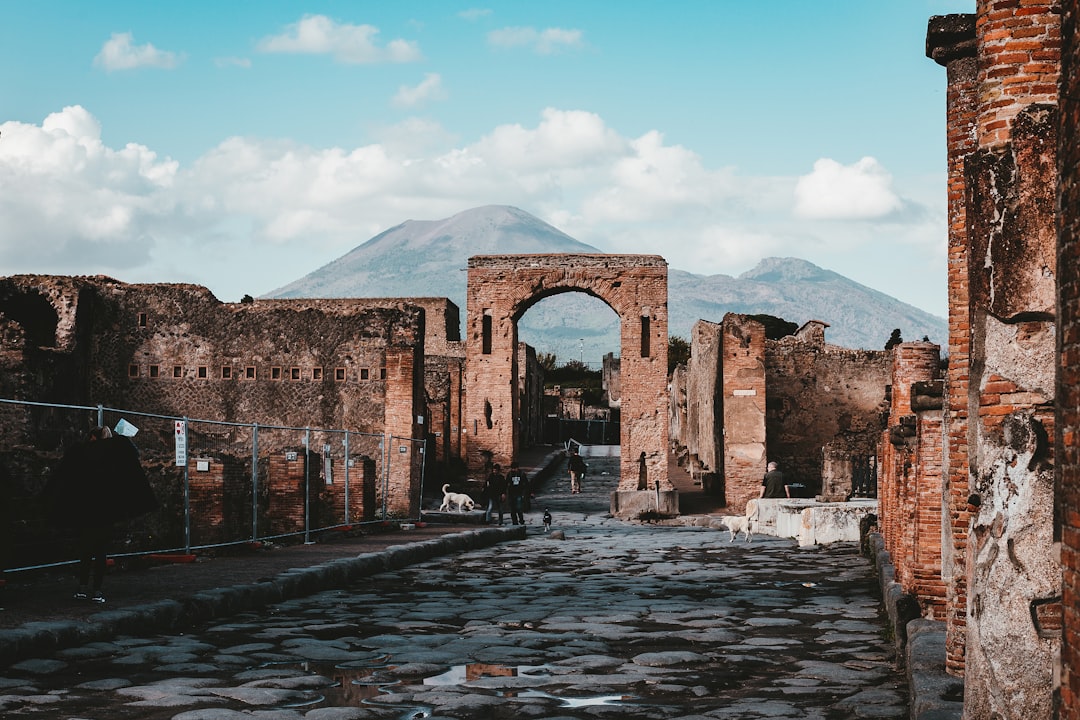
Pompeii is one of those rare places that actually delivers on its reputation, and that’s worth saying upfront because very few UNESCO sites can claim the same. Walking through a Roman city that was simply *stopped* in 79 AD — mid-conversation, mid-meal, mid-life — produces a genuine, unsettling chill that no photograph prepares you for. Come for the history lesson, stay because it turns out history is genuinely disturbing when you’re standing inside it.
Be honest with yourself about what you’re walking into, though. This is a large, partially ruined site in southern Italian heat, spread across 44 hectares of uneven stone streets. In peak summer it becomes a slow-moving human traffic jam, brutally hot and only occasionally shaded. The plaster casts of victims — contorted figures frozen in their final moments — are more confronting than most guidebooks admit. Some visitors, particularly children, find them deeply upsetting rather than educational. That’s not a reason to avoid them, but it’s worth knowing before you round a corner.
Visit between March and May or September and October without question. The site breathes differently in these months — cooler, quieter, the light gentler on the ochre stone. Arrive when the gates open at 9am and you’ll have a clear hour before the tour buses find their rhythm. Spend your first hours in the Forum, the baths, and working your way toward the amphitheatre. These anchor the site’s scale and give you the framework everything else hangs on.
The thing most tourists miss entirely is the Villa of the Mysteries, sitting slightly outside the main site boundary to the northwest. The frescoes inside — a continuous painted narrative running around an entire room, depicting Dionysiac ritual in extraordinary colour — are among the best-preserved Roman paintings in existence. People walk straight past the signage. Don’t be those people.
If time and legs allow, the Mount Vesuvius hike above the ruins adds something genuinely affecting to the day — staring down at the site from the crater rim reframes everything you just walked through in a quietly devastating way.
Pompeii suits curious adults, history enthusiasts, and travellers comfortable with confronting material presented without much softening. It suits patient walkers with decent footwear. It doesn’t particularly suit anyone expecting comfort, speed, or an easy afternoon. Give it a full day, carry water, and take it seriously. It earned that.
Plan Your Trip
- Hotels: Search accommodation in Pompeii on Booking.com
- Tours & Activities: Browse Pompeii experiences on GetYourGuide
- Day Trips: Find Pompeii tours on Viator