Sliema, Malta: Complete Travel Guide
| Country | Malta |
| Region | Northern Harbour |
| Type | Town |
| Best months | April, May, October, November |
| Crowd level | High |
| Budget | Mid-range |
| Flight (LON) | 3h 10m |
Sliema is where Malta comes to live rather than perform for tourists, which makes it one of the more honest places to base yourself on the island. It’s a dense, walkable town built along a harbour facing Valletta, and that view alone — the fortified city glowing amber across the water at dusk — justifies at least an evening here. The ferry crossing takes seven minutes and costs next to nothing, making Sliema a genuinely practical alternative to staying inside Valletta itself, with better accommodation value and far less cobblestone fatigue.
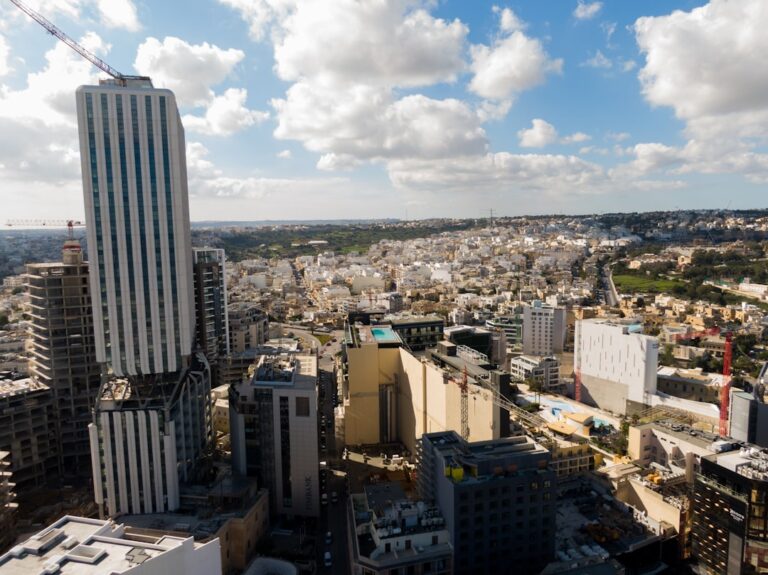
What it’s actually like requires some honesty. The seafront promenade is lovely in parts and relentlessly commercial in others, lined with cafés ranging from excellent to deeply mediocre. The town centre is urban and slightly chaotic, with traffic that tests your patience and a building stock that mixes handsome old Maltese townhouses with architectural decisions that should face an international tribunal. Don’t come expecting a quiet village. Come expecting a functional, lively Mediterranean town that happens to have a spectacular outlook.
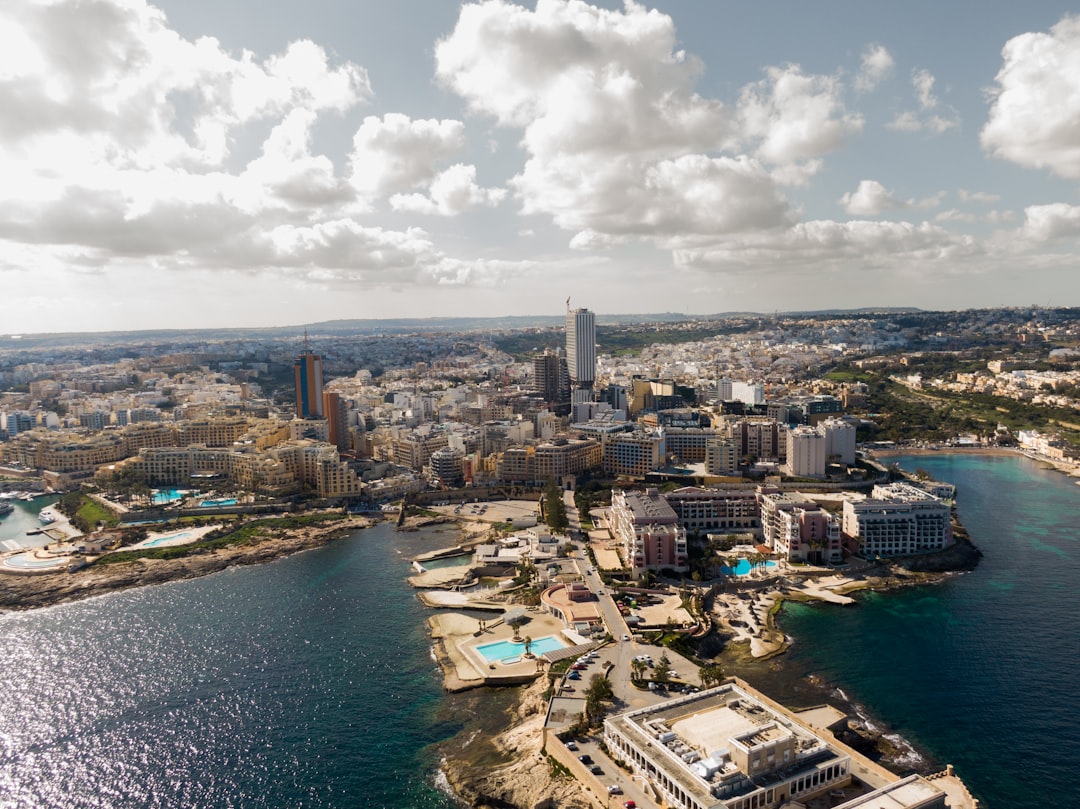
The best areas divide fairly cleanly. The stretch of promenade between Balluta Bay and Tigné Point is the sweet spot — the bay itself has a charming square, good restaurants that survive on repeat local custom rather than passing trade, and the flat limestone rocks that Maltese families have been swimming from for generations. Tigné Point to the north is a modern development that feels transplanted from a different country entirely, but it has a good supermarket, a decent view back toward Valletta, and significantly less noise. Avoid eating anywhere that has a man standing outside trying to catch your eye.
The thing tourists consistently miss is timing the ferry correctly for sunset. Cross to Valletta in the late afternoon, spend the evening, and return after dark when Sliema’s waterfront lights up and the harbour feels genuinely cinematic. Most visitors do it the other way around and miss the best version of both crossings.
Sliema suits independent travellers who want a base rather than a destination, couples who prefer a restaurant strip to package resort isolation, and anyone who intends to move around Malta daily. It works less well for those wanting historic immersion — for that, stay in Valletta itself. April, May and October are the months to come. The summer heat turns the promenade into a slow shuffle and the rocks into competitive territory.
Plan Your Trip
- Hotels: Search accommodation in Sliema on Booking.com
- Tours & Activities: Browse Sliema experiences on GetYourGuide
- Day Trips: Find Sliema tours on Viator