Tangier, Morocco: Complete Travel Guide
| Country | Morocco |
| Region | Tanger-Tetouan-Al Hoceima |
| Type | City |
| Best months | April, May, June, September, October |
| Crowd level | Moderate |
| Budget | Budget-Friendly |
| Flight (LON) | 2h 45m |
Tangier rewards the curious and frustrates the impatient, which tells you almost everything you need to know before booking your ferry from Tarifa. This is a city that has always existed between worlds — European and African, ancient and chaotic, literary and hustling — and it makes no apologies for any of it. That tension is precisely the point.
What nobody tells you upfront: Tangier is intense in the way that matters. The medina will disorient you. Touts near the port are persistent and they will find you. The streets smell of diesel, spice, and salt simultaneously. But push fifteen minutes past the ferry terminal noise and something shifts. You find the Grand Socco, that beautiful oval square where the old city breathes, and from there the Petit Socco in the heart of the medina — a tight, coffee-stained square where Burroughs and Bowles once sat watching everything collapse and reassemble. The Beat Generation didn’t choose Tangier accidentally. There’s a productive strangeness here that still functions.
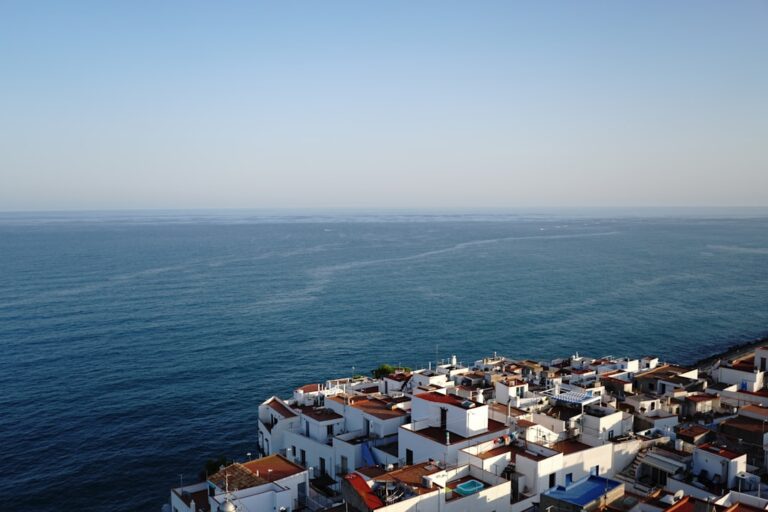
Stay inside or immediately adjacent to the medina. The Kasbah district above the old city is the best address in town — quieter, better views across the strait toward Spain, and close to the Kasbah Museum, which most visitors skip entirely in favour of shopping. Don’t. The museum sits in a former sultan’s palace and contains Roman bronzes, Phoenician artefacts, and mosaic floors that reframe everything you thought you understood about this coastline’s history.
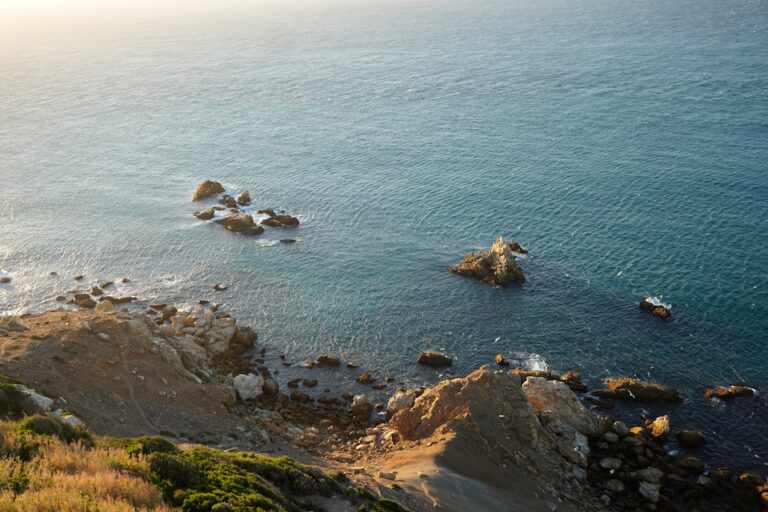
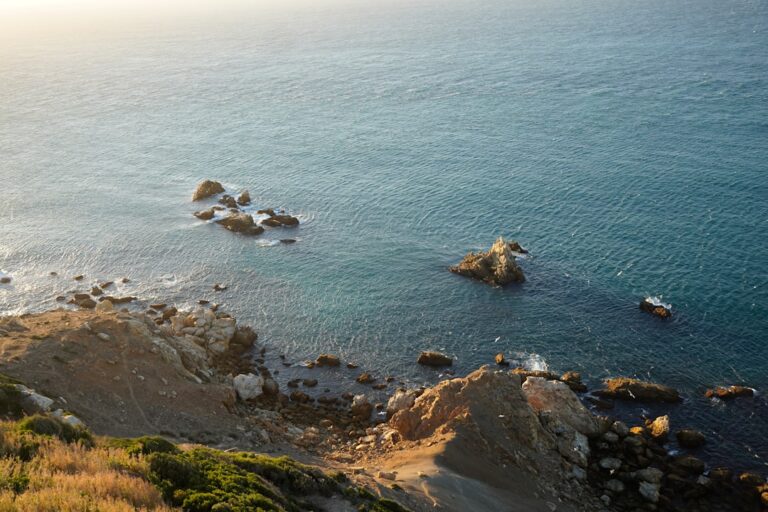
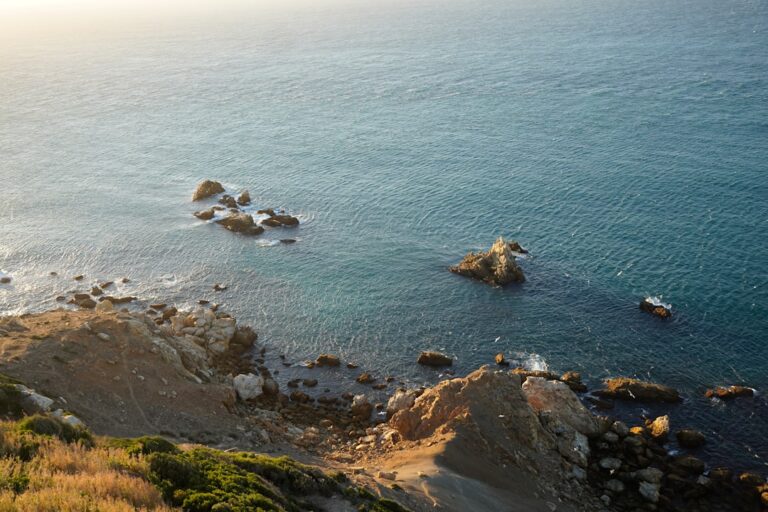
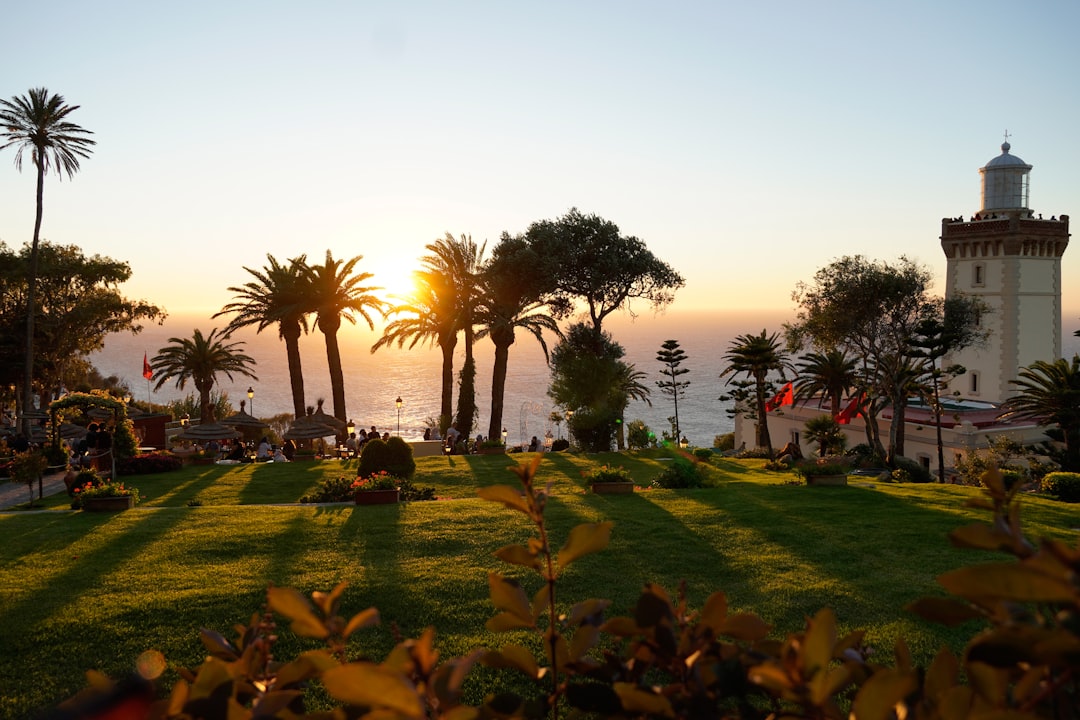
The thing tourists consistently miss is Cap Spartel. Everyone references the Caves of Hercules nearby in guidebook superlatives, and the caves are fine, dramatic in the right light, but the lighthouse at Cap Spartel itself — standing at the exact point where the Atlantic meets the Mediterranean — is one of those genuinely moving geographical moments. Hire a petit taxi for the afternoon and feel the two seas pushing against each other.
Come in May or October. Spring brings manageable temperatures and the city operating at a human pace. October is golden and the tourist layer thins considerably, leaving Tangier to itself again. Avoid August if you value your sanity.
This city suits independent travellers who’ve already done comfortable. It suits people interested in geography as history, in cities that haven’t been smoothed down for easy consumption. If you need everything explained and arranged, look elsewhere. If you don’t, Tangier is one of the most genuinely alive places the Mediterranean edge still offers.
Plan Your Trip
- Hotels: Search accommodation in Tangier on Booking.com
- Tours & Activities: Browse Tangier experiences on GetYourGuide
- Day Trips: Find Tangier tours on Viator