Visiting Akko in January
Visiting Akko in January
# Akko in January: Honest Take
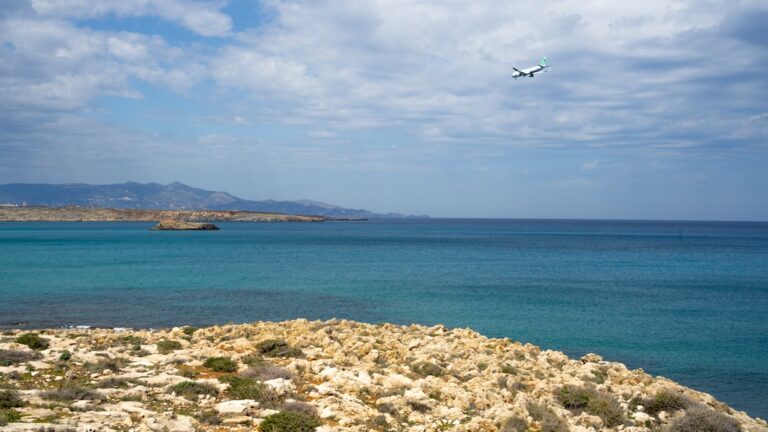
Let’s be upfront about the weather first: January in Akko is genuinely unpredictable. You might land on a crisp, brilliantly sunny winter day where the sea is this impossible shade of blue and the old city looks like a postcard. You might also spend your visit hunched under an umbrella watching rain bounce off the Ottoman-era stones. The Mediterranean coast does get proper rainfall in January, sometimes sustained and heavy, so pack accordingly and don’t build your entire trip around wandering the outdoor ramparts for hours.
That said, the crowds are basically nonexistent, and if you’ve visited Akko in summer you’ll understand why this matters. The narrow alleyways of the old city, which feel genuinely claustrophobic in July when tour groups from every direction are clogging the souq, are yours to actually walk through slowly. You can stop. You can double back. Nobody is breathing on you.
The major indoor sites stay open and they’re the real draw anyway. The Crusader halls beneath the city are extraordinary, and exploring them in January when you have the tunnels largely to yourself feels genuinely atmospheric rather than rushed. The Turkish bathhouse museum, the Knights’ Halls, the underground Templar tunnel – all operating normally. Restaurants in the fishing port area are mostly open, though hours can be reduced and a few smaller spots close mid-week, so checking ahead saves a wasted walk.
Is it worth visiting in January? For certain people, absolutely yes. If you’re interested in history rather than beach time, if you’re traveling on a budget and hotels are significantly cheaper, or if you simply dislike crowds, January works well. If you need sunshine guaranteed and want to sit at outdoor cafes comfortably for hours, you’re gambling.
Akko is a working city with a real local population, not a theme park, and January makes that more visible in a good way.
**Practical tip:** Wear shoes that can handle wet stone. The cobblestones and old walkways become genuinely slippery after rain, and the old city is not forgiving terrain in the wrong footwear.
Plan Your Trip
- Hotels: Search accommodation in Akko on Booking.com
- Tours & Activities: Browse Akko experiences on GetYourGuide
- Day Trips: Find Akko tours on Viator