Cádiz, Spain: Complete Travel Guide
| Country | Spain |
| Region | Andalusia |
| Type | City |
| Best months | May, June, September, October |
| Crowd level | Medium |
| Budget | Mid-range |
| Flight (LON) | 2h 40m |
Cádiz earns its reputation as one of those rare places that genuinely rewards the traveller willing to venture beyond the obvious Andalusian circuit. Most people are cycling between Seville, Granada and Málaga without realising there’s an ancient Atlantic city at the end of a narrow peninsula that feels entirely different from the rest of southern Spain. Where those cities perform for tourists, Cádiz largely ignores them, getting on with being itself in the way only truly old places can. At roughly 3,000 years old, it’s the oldest continuously inhabited city in Western Europe, and that antiquity sits in the walls rather than on museum placards.
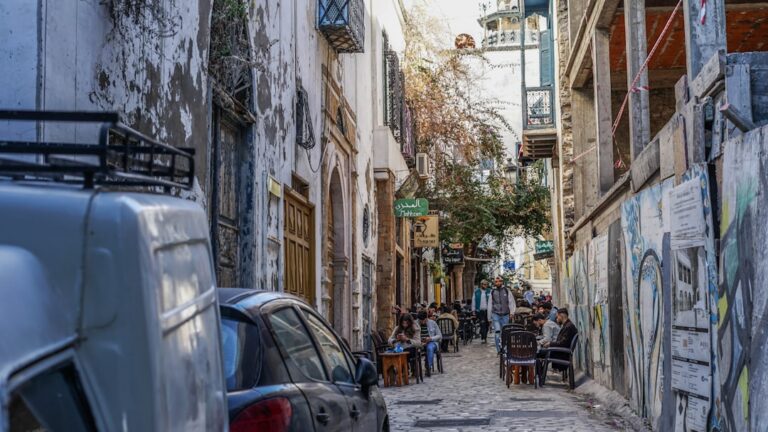
What it’s actually like is windswept, slightly faded, and completely wonderful. The whole city occupies a thin finger of land surrounded by the Atlantic, so you’re never far from the smell of salt and the sound of waves hitting stone. The architecture is sun-bleached and peeling in the most beautiful way, with tower houses built by merchants who wanted to watch their ships coming in. It can feel quiet, even melancholy, outside of festival season, which some visitors find underwhelming. If you need relentless stimulation, this probably isn’t your place.
Stay in the old town, specifically around the Barrio del Pópulo or within walking distance of the central market. This is where you eat at the market’s bar counters in the morning, watch retirees playing cards in the afternoon, and understand why locals seem inexplicably content. La Caleta beach is small and hemmed in by two crumbling sea fortresses, which makes it more atmospheric than impressive, but that’s exactly the point. The Castillo de Santa Catalina side is worth exploring at golden hour when the Atlantic light does something genuinely unreasonable to the stonework.
The thing most tourists miss is the seafood. Specifically, the pescaíto frito tradition here, properly done in paper cones, eaten standing up near the market. Cádiz arguably invented the British fish and chip tradition via its Jewish community, and the local version, with cuttlefish, anchovies and red mullet in the lightest possible batter, is worth a separate trip.
This city suits independent travellers, couples, food obsessives and anyone exhausted by over-touristed Spain. Come in May, June, September or October when the light is extraordinary and the crowds remain manageable. February for Carnival if you want organised, joyful chaos.
Weather in Cádiz
| Month | Avg High | Rainfall |
|---|---|---|
| Jan | 15.8°C | 53.9mm |
| Feb | 16°C | 57.7mm |
| Mar | 18.2°C | 79.4mm |
| Apr | 20.5°C | 56.8mm |
| May | 24.3°C | 25.7mm |
| Jun | 27.7°C | 4.7mm |
| Jul | 30.4°C | 0.6mm |
| Aug | 31.8°C | 1.9mm |
| Sep | 28.3°C | 18.4mm |
| Oct | 24.6°C | 75.7mm |
| Nov | 18.9°C | 92.5mm |
| Dec | 17°C | 57.9mm |
Plan Your Trip
- Hotels: Search accommodation in Cádiz on Booking.com
- Tours & Activities: Browse Cádiz experiences on GetYourGuide
- Day Trips: Find Cádiz tours on Viator