Palma de Mallorca, Spain: Complete Travel Guide
| Country | Spain |
| Region | Balearic Islands |
| Type | City |
| Best months | May, June, September, October |
| Crowd level | High |
| Budget | Mid-range |
| Flight (LON) | 2h 20m |
Palma punches well above its weight for a city that most people treat as a gateway rather than a destination. They’re wrong to rush through. The Gothic cathedral La Seu rising from the waterfront is genuinely one of Europe’s great architectural surprises, particularly when morning light floods through the rose window and Gaudí’s later restoration work reveals itself in the interior. Give it two hours, not twenty minutes.
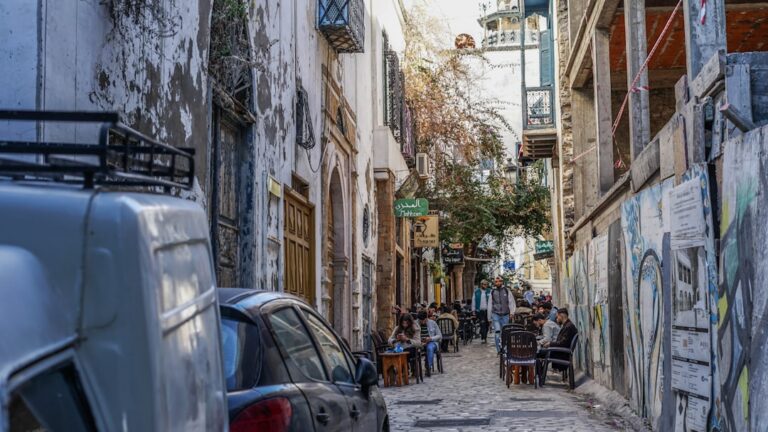
The honest reality is that Palma has two personalities. The Old Town, particularly around the Arab Quarter and Santa Catalina neighbourhood, is a genuinely liveable, beautiful city full of tapas bars where locals actually eat, independent boutiques, and worn stone streets that reward aimless walking. Then there’s the marina strip and certain beach resort pockets, which are exactly as loud and expensive as you’d expect from a Mediterranean hotspot. The trick is simply knowing which Palma you’ve arrived in. Stay in or near the Old Town, full stop.
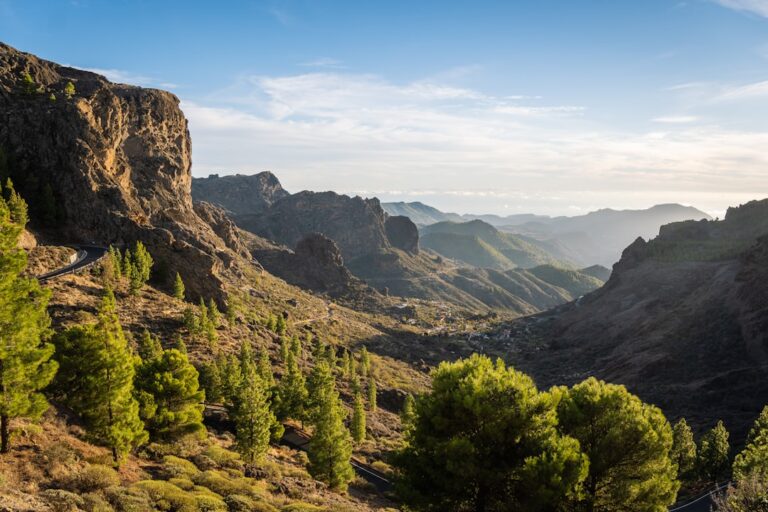
Bellver Castle sits on a wooded hill twenty minutes’ walk from the centre and remains genuinely undervisited, partly because the circular Gothic architecture photographs better from a distance than it gets described in guidebooks. The views over the bay are worth the climb even if castles don’t particularly interest you. A day trip into the Tramuntana mountains, either renting a car or taking the vintage train to Sóller, reveals why the island’s interior earns UNESCO status. Dusty olive groves, stone villages, serious hiking trails, and dramatically few tourists by comparison.
The thing most visitors miss entirely is the covered Mercat de l’Olivar on a weekday morning. It’s not a tourist market selling ceramics. It’s a proper working market where Mallorcan cheesemakers and fishmongers operate alongside a brilliant tapas bar section that starts serving wine at eight in the morning without anyone finding this unusual. Spend a long morning there and you’ll understand the city’s food culture better than any restaurant ever explains it.
May, June, September and October are the practical sweet spots. July and August bring serious heat and crowds that transform even the lovely parts of the Old Town into something more effortful. This is fundamentally a city that suits curious adults who want culture, excellent eating, sea access, and mountains within an hour. It’s not ideal for anyone seeking pure beach resort anonymity. Those people should head east along the coast and leave Palma to be properly appreciated.
Weather in Palma de Mallorca
| Month | Avg High | Rainfall |
|---|---|---|
| Jan | 14.2°C | 41mm |
| Feb | 14.1°C | 46.9mm |
| Mar | 16.4°C | 34.6mm |
| Apr | 19.4°C | 37mm |
| May | 22.6°C | 27mm |
| Jun | 27.7°C | 23.2mm |
| Jul | 31°C | 7.1mm |
| Aug | 31°C | 11.5mm |
| Sep | 27.3°C | 46.8mm |
| Oct | 23.4°C | 65.7mm |
| Nov | 18.1°C | 57.7mm |
| Dec | 15.5°C | 27.5mm |
Plan Your Trip
- Hotels: Search accommodation in Palma de Mallorca on Booking.com
- Tours & Activities: Browse Palma de Mallorca experiences on GetYourGuide
- Day Trips: Find Palma de Mallorca tours on Viator