Faro, Portugal: Complete Travel Guide
| Country | Portugal |
| Region | Algarve |
| Type | City |
| Best months | May, June, September, October |
| Crowd level | Medium |
| Budget | Mid-range |
| Flight (LON) | 2h 40m |
Faro gets overlooked in favour of the resort towns to the west, which is precisely why you should go. Most visitors pass through on their way to Albufeira or Lagos, treating the city as nothing more than an airport holding pen. That’s a mistake. Faro is a genuine working Portuguese city with a medieval walled core, a UNESCO-protected lagoon on its doorstep, and a bone chapel that will stop you cold in a way no beach bar ever could.
Let’s be honest about what it is, though. Faro isn’t picturesque in the way Sintra is, or dramatically beautiful like the Douro Valley. Parts of it are rough around the edges, the marina area can feel a little soulless at dusk, and some streets inland from the old town are unremarkable at best. But the Cidade Velha, the walled old town, is quietly lovely — Roman foundations, Moorish bones, cobblestones that have absorbed centuries of quiet history. Walk it on a weekday morning before the day-trippers arrive and it feels almost private.
The Igreja do Carmo’s bone chapel deserves its reputation. Unlike the famous one in Évora, it doesn’t perform for tourists. It’s smaller, darker, and somehow more confrontational. The Franciscan monks who arranged those bones weren’t making art — they were making a theological argument. It lands.
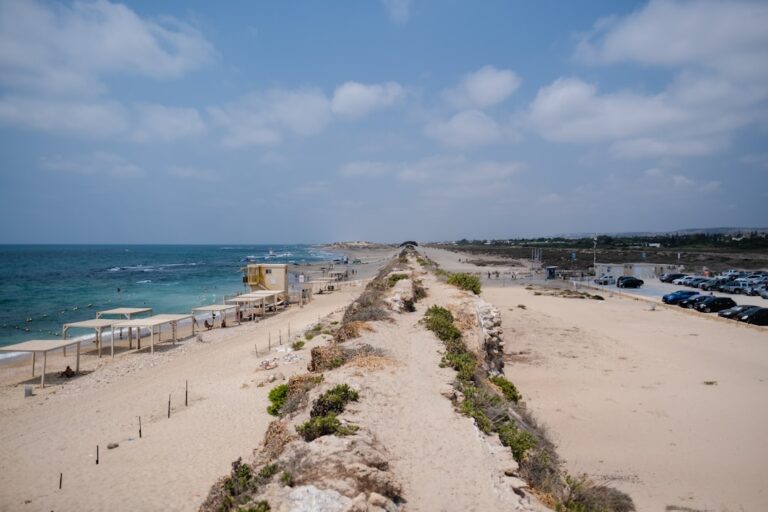
The Ria Formosa is where Faro genuinely earns its place. This coastal lagoon system stretches for sixty kilometres and protects a chain of barrier islands accessible only by ferry. Take the boat to Ilha Deserta for serious emptiness or Ilha de Faro for something slightly more social. Either way, you’re getting a fundamentally different Atlantic experience from the crowded resort beaches — quieter water, flamingos, the feeling that you’ve earned it.
The thing most visitors miss is simply eating where locals eat. The restaurants immediately around the old town walls pitch their menus at tourists and price accordingly. Walk ten minutes north towards the university quarter and everything changes — better cataplana, cheaper wine, tables full of people who actually live here.
Faro suits independent travellers who want a base rather than a bubble. Come in May, June, September, or October when the Algarve heat is manageable and the Germans haven’t yet filled every terrace. Stay three nights minimum. Use it properly.
Weather in Faro
| Month | Avg High | Rainfall |
|---|---|---|
| Jan | 8.5°C | 60mm |
| Feb | 11.4°C | 50mm |
| Mar | 15.6°C | 45mm |
| Apr | 19.9°C | 30mm |
| May | 24.1°C | 20mm |
| Jun | 28.4°C | 10mm |
| Jul | 31.2°C | 5mm |
| Aug | 29.8°C | 5mm |
| Sep | 25.5°C | 20mm |
| Oct | 19.9°C | 45mm |
| Nov | 14.2°C | 60mm |
| Dec | 9.9°C | 65mm |
Plan Your Trip
- Hotels: Search accommodation in Faro on Booking.com
- Tours & Activities: Browse Faro experiences on GetYourGuide
- Day Trips: Find Faro tours on Viator